
What A Scorcher – Why Trees Suffer In The Heat
By Dave Young
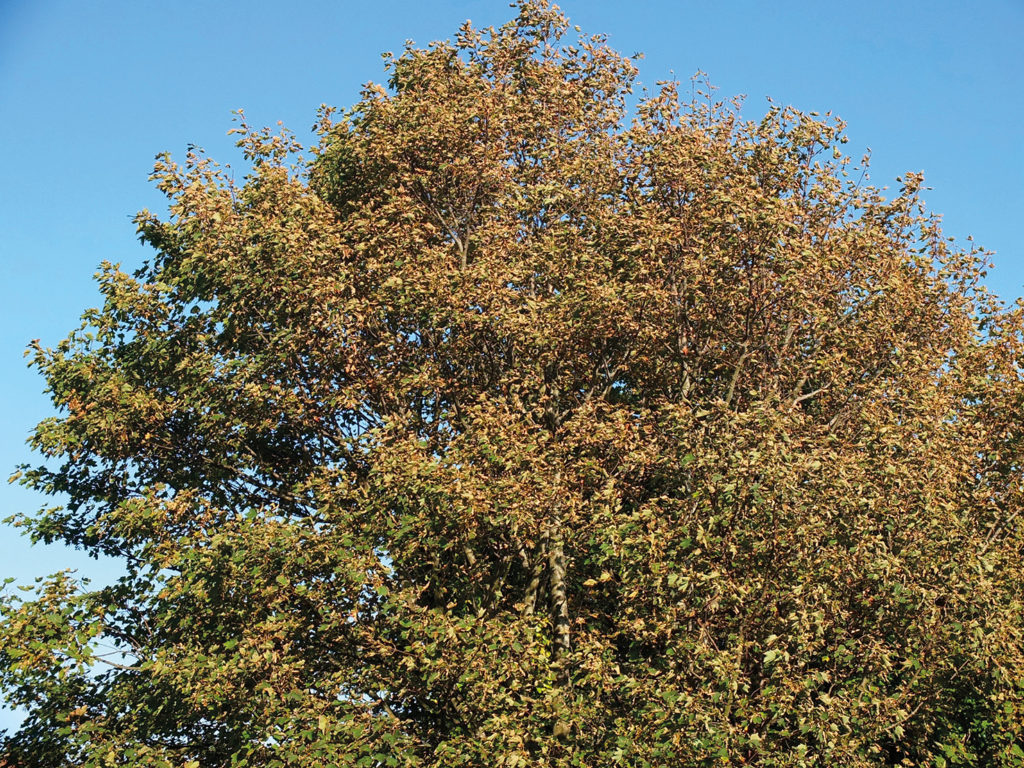
Anyone driving around the East Sussex countryside surrounding Hastings during late August and early September can’t have failed to notice large numbers of broadleaf trees prematurely shedding brown and dry leaves.
Not the symptoms of an early-onset autumn, and separate from the current scourges of ash dieback and chestnut leaf fungus, this is the result of sun scorching and wind blasting.
PICTURE: Dave Young
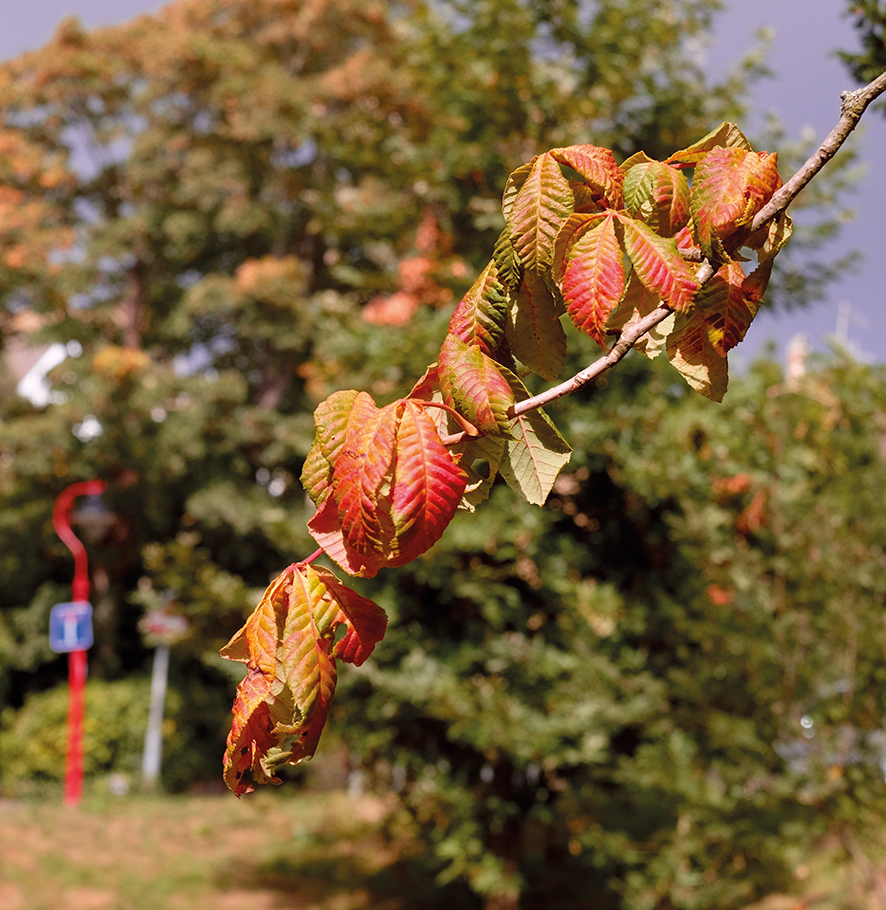
Two intensely hot spells coupled with higher than average winds at the start and close of summer – with temperatures up to 32 deg C – has resulted in widespread damage to deciduous trees whose water content was lost faster than it could replaced. Worst affected are those in positions that catch the sun all day, and on exposed sites; trees grouped in woodland faring better than specimens standing singly on verges and in hedgerows.
The root of the problem appears to lie in global warming and the current climate emergency. Scientists from the University of Stirling have found beech forests across Western Europe increasingly at risk from drought. Alistair Jump, Professor of Plant Ecology explains: “We might expect beech forests in hotter and drier regions of Europe, such as southern France and Spain, to be most at risk. However, we’ve found that the South of England – the very centre of the area where the species grows – is most badly affected.”

PICTURE: Dave Young
Studies by the government Forestry Commission offshoot Forest Research indicate the impact of climate change and more frequent and serious summer droughts is “likely to be most serious and apparent in southern England, particularly on the more freely draining soils”. Young and newly established trees, together with street trees and trees in hedgerows are vulnerable, with knock-on effects to the many insect, bird and mammal species for which they are habitat and food sources.
Although this is occurring more frequently, it is not wholly a new phenomenon – the great drought of 1976 damaged trees – many of which still survive – in a similar manner, points out environmentalist Kevin Young, adding: “What heat stress damage to leaves can do is diminish the tree’s ability to absorb C02 and exude oxygen. Future planting may need to consider species better able to adapt.”
We hope you have enjoyed reading this article. The future of our volunteer led, non-profit publication would be far more secure with the aid of a small donation. You can also support local journalism by becoming a friend of HIP. It only takes a minute and we would be very grateful.

Leave a Reply