
Hotels of Shame
Gareth Stevens uncovers the horrific truth hidden in a Hastings hotel.
On November 8, the Refugee Buddy project (RBP) found out by chance that a hotel in Hastings had been spot booked: in other words it had suddenly been used to accommodate around 80 asylum seekers from countries such as Syria, Afghanistan, Iran, Sudan and Egypt.
At around the same time, the council also became aware of this situation through a tip off from a restaurant that had been asked to provide meals for the newly arrived men. That the borough was never formally informed of the co-opting of the said hotel to hold people awaiting their asylum application to be processed is clearly unacceptable. Councillor Paul Barnett, leader of Hastings Borough Council confirmed to me that no formal notification of the new placements in Hastings had been received by the council or any other support agencies in the borough.
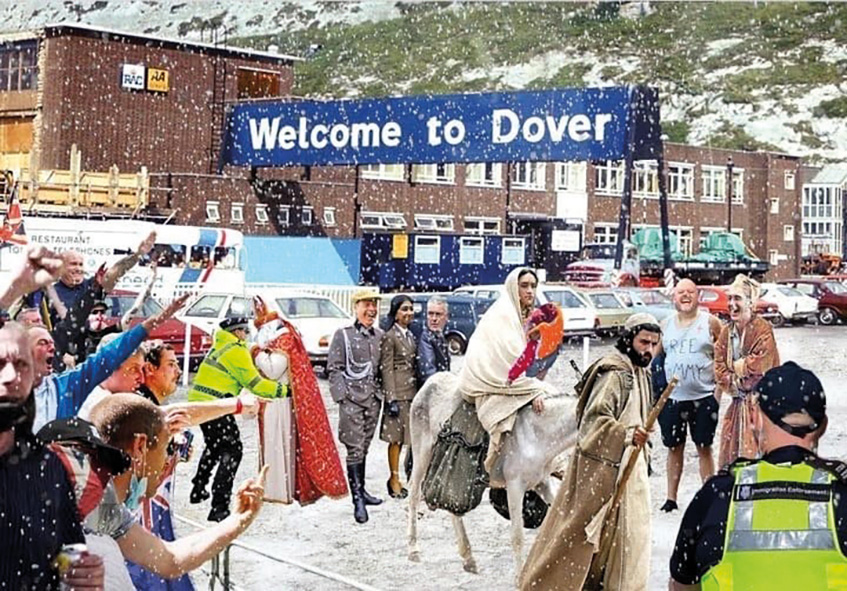
CREDIT: Coldwar Steve
“The booking of the hotel happened without any warning from either the Home Office nor their local contractor, Clearsprings Ready Homes. We complained and did get an apology. Then a parliamentary debate led to a further Ministerial apology to all local authorities and a commitment to working more closely in future,” he said.
Unfortunately, despite this assurance, it did happen again and another hotel was booked. Following further complaints from the council, it has now been emptied.

Obviously the immediate concern is for the individual wellbeing and safety of those who have been accommodated in Hastings without a coordinated plan. Beyond that the council, along with organisations like the RBP, are pressing the Government and their agents to clarify how they intend to support them locally and how long they expect them to reside here.
Cllr Barnett said: “We are also keen to understand what longer term dispersal plan they intend to put in place. We understand that this is not an isolated case and that many other towns across the country, including some in other parts of East Sussex, are being similarly used to accommodate this group”.
He went on to say that, “the voluntary sector here has done an excellent job welcoming people and ensuring they have the support they need, and I want to thank HVA, Hastings Supports Refugees and especially The Refugee Buddy Project for their hard work over the last few weeks”.
Members of the RBP visited the hotel the next day after finding out about its existence. They found a dire situation. The majority of the men had been moved from Manston asylum centre. Following reports of the mistreatment of residents, squalid living conditions and a suspected outbreak of diphtheria, the centre had been closed, and those housed there were moved to hotels and other accommodation around the country.
Manston had provided basic temporary accommodation to small boat arrivals while they underwent processing. Designed to hold 1,000 people, with a maximum of 1,600, it was described in October as being “catastrophically overcrowded”.
Rossana Leal, the RBP charity’s CEO, said that the hotel had been filled a week prior to them finding out about it. She explained that most of the men had only one set of clothes, and for many this was the same that they had worn during their perilous channel crossing in small open boats. It was clear that some were suffering with health issues such as skin rashes and some with open lesions. Evidently these men had received no basic health care and their conditions were being exacerbated by poor diet and lack of available hygiene products. One of the first things that the RBP did was to purchase a bag of toiletries for each resident.
Clearsprings Ready Homes is contracted directly by the Home Office to prepare temporary accommodation for migrants and refugees. Whilst their website states that they “work closely with non-government organisations, local voluntary groups, statutory services, local authorities and landlords to ensure the properties are fully compliant and the welfare of the residents is closely managed,” on visiting the hotel it was clear that, especially in the case of collaboration with local charities and other agencies, these words were empty.

A refugee breakfast
I was stopped from visiting hotel rooms by security. The foyer area is small and a little shabby. The only place where the internet is available, it was full of men, some asleep on sofas and others sitting on the floor. Whilst residents are informed they can come and go as they please, some told me of an enforced 10pm curfew. Residents are forced to wash their clothes in bathroom hand basins, have no easy access to drinking water and often wait long times for food which sometimes contravenes their dietary requirements and/or their religious observances. One of many photographs I saw showed a typical breakfast. A slice of white processed bread, a sachet of butter, a hard boiled egg and a banana.
Each asylum seeker should have a payment of just £8.24 a week. An amount that is pitifully low in order to meet any basic needs: factor in travel costs for asylum application meetings and it is plain that this system is just not working. No-one in the hotel is receiving this despite having been in the country for up to three months.
I met two asylum seekers at the RBP offices. Abdo, a doctor, and an engineer named Mahmoud. Both names have been changed to protect their identity. Through an interpreter I heard of their horrendous experiences in Manston, where they had spent around a month in tents, sleeping on wooden floors and being subjected to inhumane treatment including not being able to wash and having food withheld if they complained. Their written testimonials also make for harrowing reading. Abdo told me that apart from the relief he felt to have survived the crossing, he sometimes wishes he had not made the decision to leave Sudan and wishes he was back with his wife and family. He describes his time in the UK as just months of hostility and suffering.
Mahmoud looked totally defeated. Clearly a bright man, he talked eloquently about his hopes and aspirations. He clearly felt he had been duped by the UK government and was just not prepared for the maltreatment he had received at the hands of the UK authorities. I was struck by the fact that both Abdo and Mahmoud were especially distressed by the way they had been systematically stripped of their dignity and also by an intense feeling of uncertainty about what was going to happen to them next.
It is clear there are many, many questions to be answered.
• If you wish to support The Refugee Buddy Project’s work please donate to their Winter Appeal here
therefugeebuddyproject.org/donate-winter-appeal
• Hastings Community of Sanctuary are running a Winter Clothing Appeal to help meet the needs of new arrivals placed in hotel accommodation in Hastings and across East Sussex. Details on their website at hastings.cityofsanctuary.org
Refugee Council Statistics
Detention
The UK Government has the power to detain people who are here seeking refuge. Sometimes this even includes children. There is no maximum time limit in place for people held in detention, meaning people are held indefinitely.
The latest statistics show that there were 2,077 people in detention in immigration removal centres at the end of September 2022; among them were 1,383 people seeking asylum. This equates to a 47% increase from the previous year.
Despite a Government promise in 2010 to end the practice of detaining children, there were 139 occurrences of children entering immigration detention in the year ending September 2022.
Homelessness and Destitution
The moment someone receives a positive decision on their asylum claim should be one of celebration and relief, an end to instability, and the start of a bright future where they are able to establish new lives in the UK. Instead, many newly-recognised refugees experience homelessness and/or destitution.
The Home Office provides accommodation on a no-choice basis and subsistence support as low as less than £6 per day for people seeking asylum, if they would otherwise be destitute. But once they are awarded status, this support stops after just 28-days. Faced with a cliff edge and no support to find new housing, open a bank account, and secure income, among other activities needed before being evicted, many refugees are at significant risk of homelessness and/or destitution.
We hope you have enjoyed reading this article. The future of our volunteer led, non-profit publication would be far more secure with the aid of a small donation. You can also support local journalism by becoming a friend of HIP. It only takes a minute and we would be very grateful.

Leave a Reply