
Renters Rights Bill: Less Housing, Higher Rents
HUGH SULLIVAN
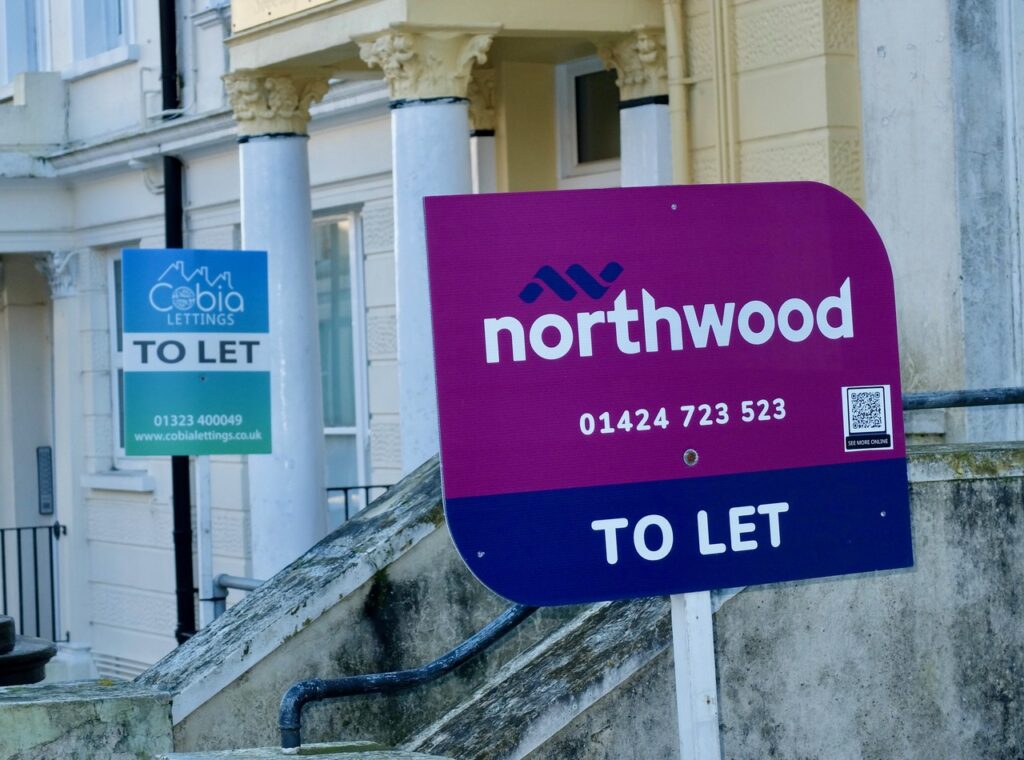
The Renters Rights Bill (RRB), which is intended to revolutionise the respective rights and obligations of landlords and tenants of private housing, was due to be debated further in the House of Commons earlier this week. It will then be scrutinised by the House of Lords before probably becoming law some time this spring or summer. Critics have warned that the likely impact, at least in the short term, will be a reduction in the supply of rentable properties, a shift in the profile of landlords from those with smaller portfolio holdings to big operators, and higher rents all round. In fact that process is clearly already happening in Hastings, as elsewhere.
Adam Toubi, local property agent in Hastings, deals in sales rather than lettings. He confirms that there has been an increasing flow of buy-to-let landlords selling up their properties since the Bank of England began raising interest rates from a low of 0.1% in October 2021 to a peak of 5.25% in August 2023. The current rate is still 4.75% and, with inflation threatening once again, seems likely to be held around this figure for some time to come. With many landlords facing hugely increased mortgage costs, higher rents were inevitable – but they have been accompanied by a growing trend to get out of the market altogether.
Only the most desperate of landlords will sell while tenants remain in occupation: a professional agent such as Mr Toubi will advise that it’s far easier to market a residential property which is lightly furnished and empty. In any case he points out that there are very few new bidders in the market who will be buying in order to re-let. The majority of formerly rented properties are going either to those intending full-time owner-occupation or else those who are buying them for use as second homes.
SECTION 21 ABOLITION
The abolition of section 21 of the Housing Act, the central feature of the RRB, will not counter this trend, since owners will still be entitled to evict tenants either for the purpose of selling or else in order to use the property for themselves or for close family. Other provisions, however – such as abolition of fixed term tenancies, limits to rent increases and a more punitive regime for failure to provide properly maintained and insulated living standards – will all work to alter the power balance between landlord and tenant.
Supporters of the Bill have been vocally happy about this. Helena Dollimore, MP for Hastings & Rye, talks regularly of the “cruelty” of section 21, complaining in a speech last year that “renters are too frequently forced to vacate their homes with little notice; many are families with children and some end up homeless as a result. A Labour government will end unjust evictions and guarantee more security and rights for all renters in Hastings and Rye”.

The RRB may well have this effect for the majority of those tenants who are already happily renting from landlords intent on maintaining their property portfolios. But for those on the outside still looking, or those at risk of being evicted by landlords who are exiting the sector, it will surely mean fewer properties available, closer scrutiny of the finances and past record of prospective entrants – woe betide those who can’t show reliable references or secure income – and rents continuing to soar in a competitive spiral of reduced supply and aggravated demand.
Liza Stott, director of JMA Lettings, was born and bred in Hastings, and has worked in the lettings business for more than 20 years. She says she is shocked by the level of rents which some landlords – particularly the larger institutions with substantial portfolios – have been charging in recent months, and she agrees that the impending enactment of the RRB, coming on top of the interest rates rises, is causing increasing numbers of landlords to pull out. She does confirm, however, that for those that remain, the reliability of prospective tenants, in terms not only of ability to pay the rent but of commitment to maintain the property and steer clear of anti-social behaviour, is paramount. Recipients of Universal Credit, single mothers, families with children may prove ideal tenants because they have the keenest interest in keeping a roof over their heads.
Some of the anticipated provisions of the RRB will, Ms Stott believes, have relatively little effect. Most residential long leases have provisions to control the keeping of dogs or cats which the Bill is unlikely to allow tenants to override. Mortgage providers and/or insurers may still impose restrictions on who may be allowed to occupy. Other provisions should mean that landlords will be forced to let, and thereafter maintain, their properties to a higher standard than previously. None will increase supply at a time when demand is pushing rents through the roof.
Renters Rights Bill – Main Provisions
- Assured shorthold tenancies are to be abolished along with all fixed-term tenancies of residential property; all tenants will be entitled to terminate on two months’ notice;
- Eviction of tenants at the end of a fixed term or thereafter on two months’ notice without proving fault (the effect of section 21 of the Housing Act 1988) will be outlawed: under the RRB, eviction will only be lawful if fault (rent defaults, anti-social behaviour or other breach of the tenancy agreement) is proved in court proceedings, or the landlord genuinely seeks to sell the property or requires it for own or immediate family’s use;
- Frequency and extent of rent increases are to be controlled;
- Properties offered for rent will have to show at least a ‘C’ rating in an EPC (Energy Performance Certificate) and meet other condition standards, including avoidance of damp, mould etc;
- Landlords will not be permitted to exclude families with children or the keeping of pets;
- Bidding competition over rents offered by applicant tenants is to be outlawed;
- All private rented accommodation is to be registered with the local authority.
We hope you have enjoyed reading this article. The future of our volunteer led, non-profit publication would be far more secure with the aid of a small donation. You can also support local journalism by becoming a friend of HIP. It only takes a minute and we would be very grateful.

Leave a Reply