
Festive Season Food Hacks
FIONA MCGARRY shares eight ways to save money on food this winter
Eat Seasonally: in December, seasonal vegetables include squash, leeks, swedes, cauliflowers, kale and Brussels sprouts, so the prices will be lower than at other times of year. You can also find cheap squash and pumpkins left over from Halloween. Supermarkets also stock up on Christmas products like cranberries, smoked salmon and nuts and price them competitively. It’s well worth checking the special offers at Aldi and Lidl: for example, last week, satsumas were the Lidl ‘pick of the week’.
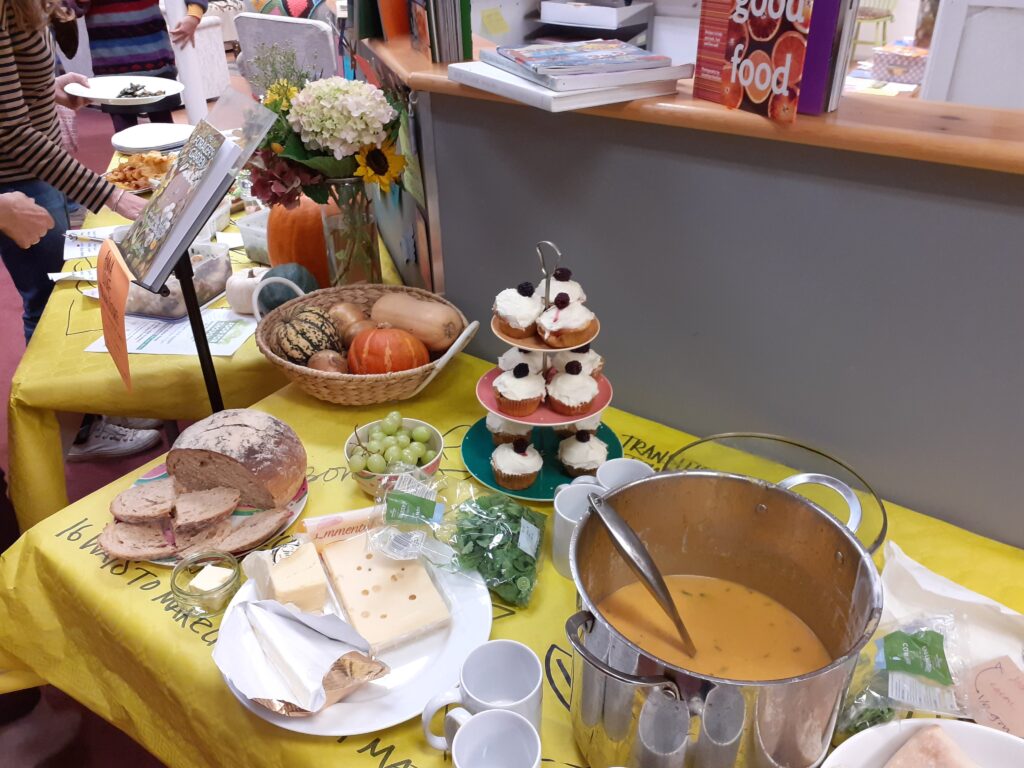
Cultivate your store cupboard: dried food goes a long way and works out cheaper than fresh goods. What can beat a trip to Wonderfill or Trinity Wholefoods to stock up on dried fruit, seeds, beans and pulses, grains and pasta? Having sundried tomatoes in your larder means you can rustle up some antipasto, a pasta sauce or a salad even if you haven’t managed to go shopping.
A recent study by researchers at UCL and the University of Oxford identified beans and peas as “the best meat and milk replacement from nutritional, health, environmental, and cost perspectives”. My favourites are black beans (great with pumpkin in a chilli), and butter beans or cannellini (good in a Spanish chorizo stew). You can also use lentils as a cheap, healthy replacement for meat – instead of mince in shepherd’s pie, for instance.
Yellow stickers: at this time of year there are a lot of them, and not just on ready meals – even cheese gets sold at knockdown prices. Salads, vegetables and baked goods are often reduced while still in tip top condition, especially the day before a Bank Holiday. Be a bit more wary about buying soft fruit (which may taste fermented), chicken and fish. Check out ‘yellow sticker’ groups on social media.
Most supermarkets reduce items two or three times during the day with final reductions of between 70% and 90% generally around 5pm (4pm at M&S). Morrisons recommend yellow sticker fans visit their stores at 8pm when in-store cooked products are “dramatically reduced”. After you return home with your haul of leftover tortillas, spinach, tomatoes, etc, clear out the freezer and make large quantities of curries, soup, stews and bakes. Keep some for supper and freeze the rest.

Bulk things out: I’m known for buying small amounts of expensive products and adding to them, so they feed the whole family. There are local delicatessens and takeaways that sell intensely flavoured salads, stews and other dishes. So, if I buy a small potato salad with a wonderful garlic sauce, I’ll add more potatoes. Lebanese Green Beans in an intense tomato sauce taste even better with extra beans from my allotment. It means you can feed four instead of two people.
Less pricey alternatives: interestingly, supermarkets often price things differently in different aisles. Go for spices in the ‘world food’ section rather than the ‘herbs and spices’ aisle where they may cost twice as much. Stores tend to position the cheaper items on the lower shelves and more expensive items at eye-level. And don’t be put off by cheaply priced ‘own brands’; according to Good Housekeeping, Aldi’s all-butter mince pies at £2.29 for six are the best ones around.
Also, think about what you waste money on. I’ve started to reduce the amount of cheese I buy and ramp up the pickles and alternative spreads to cut costs.
Use the ‘Too Good to Go’ app: several local supermarkets, grocers, bakeries and restaurants have signed up to this scheme where leftover food is sold at cheap prices. You reserve a bag of food on the app and collect it at the end of the day. For example, Costa Coffee sells bags of pastries, cakes and sandwiches worth £10.00 for £3.00. It can be a bit of a lucky dip, because you don’t always know what you’ll get in your ‘surprise bag’, but you can find excellent bargains from some independent local restaurants like Nur.
Share the load: potluck suppers are amazing! People enjoy being asked to bring food to parties and community or family events if they have clear instructions. Because our family is now so large, one of my offspring came up with the idea of a baked potato night this year. The idea is that we bake a heap of potatoes, and everyone brings a filling of their choice. This way even the fussiest family members are catered for.
Leave things till the last minute: if you can hold your nerve, you could try to bag a bargain when most people have already done their shopping. Shops often slash prices around 2-3pm on Christmas Eve (New Year’s Eve for party food), although things can be a bit chaotic. The danger is that the most popular products may have sold out – so you need to be flexible.
After Christmas is a good time to buy leftover turkeys (a friend of mine buys two and keeps them in her freezer for Easter). You can often find panettone going cheap – perfect for panettone bread-and-butter pudding to cheer up a cold January day.
Merry Christmas!
We hope you have enjoyed reading this article. The future of our volunteer led, non-profit publication would be far more secure with the aid of a small donation. You can also support local journalism by becoming a friend of HIP. It only takes a minute and we would be very grateful.

Leave a Reply