
Feeding Hastings A Look at the Food Champions Series
JOEL CHESHIRE
Looking back at previous issues, the Food Champions of Hastings & St Leonards series offers a useful indication of how HIP approaches topics of food, community and inequality. What began, as one early introduction put it, as a series “profiling people working with food in our local community” has become a record of how a town feeds itself, and who is working to make that possible.
The range of voices has been striking.
In the September profile of Rima Sams of Sustenance, the focus is on alleviating food poverty. Here, the message is both practical and urgent. The charity’s mission is to “reduce food waste, reduce food poverty, improve nutrition and build community,” and is grounded in the weekly reality of hot meals and grocery distributions for those who might otherwise go without. What emerges is an attempt to reframe food support around dignity and nutrition rather than a simple charity model, one that ensures access to fresh fruit and vegetables is not treated as optional.
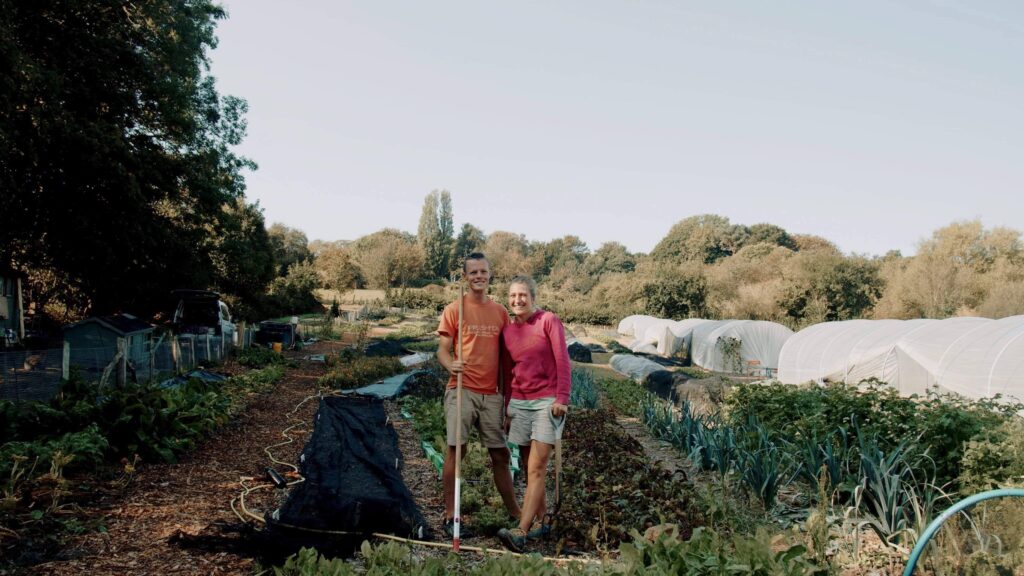
The conversation with the growers at Stonelynk Organics last November foregrounded the importance of producing “healthy, ecological food right here on our doorsteps”, while also pointing to the environmental and educational dimensions of local food production.That emphasis on access to fresh produce, food knowledge and land, recurs throughout the series, seen through the lens of very different kinds of work.
Elsewhere in the series, contributors tackle the less visible pressures that influence people’s eating habits. Rising costs, uneven access to ingredients and persistent deprivation in parts of the town are acknowledged alongside the more celebratory aspects of Hastings’ food scene. Although the town may ‘punch above its weight’ in culinary terms, Savannah Karr of Home Ground Kitchen points out the tension with the reality that “social deprivation and food poverty remains a very real and often overlooked issue.”

What gives the Food Champions pieces a particular resonance is the way they highlight the connections between the different issues above: surplus produce from growers finds its way into community kitchens, and local businesses contribute where they can, while volunteers acquire skills that extend beyond the immediate act of cooking. The network that emerges is collaborative and deeply embedded in the everyday life of the area.
Running through these conversations is a shared insistence that eating well should not be understood as a luxury. The act of preparing and sharing food is framed as a form of agency, something that can restore confidence as well as meet basic needs. In that sense, the series resists a narrow focus on scarcity, instead opening up a broader discussion about what a fair and sustainable local food system might look like.
Now, as Hastings Independent reaches its 300th issue, revisiting these stories helps build a more detailed picture of Hastings and St Leonards – not only of where the pressures lie, but of where responses are already taking shape. By making space for these voices, the Food Champions series does more than document a local concern; it has underlined the importance of noticing the people who work – often quietly – to ensure that good food and the possibility of eating well are within everyone’s reach in Hastings.
To view all articles in the Food Champions series search Food Champions + Hastings Independent: to view articles on specific topics search, e.g. Help with food preparation + Hastings Independent; to view the entire archive of the food section search food + Hastings Independent.
We hope you have enjoyed reading this article. The future of our volunteer led, non-profit publication would be far more secure with the aid of a small donation. You can also support local journalism by becoming a friend of HIP. It only takes a minute and we would be very grateful.

Leave a Reply