
Love Food, Hate Waste – Tips from the Experts
EDWINA HUGHES and ANDREW SWAN

Getting the most out of delicious tomato scraps
We all know food is pricey; quality ingredients and healthier options can be even more expensive than the norm. Once we’ve spent money on an item of food we want to use it up, but for one reason or another that doesn’t always happen. WRAP, a British NGO focusing on waste prevention, carries out periodic research looking at food waste trends. Its most recent estimate of food waste in the UK is 10.2 million tonnes (2021/2022). WRAP calculates that household waste accounts for 58% of this total. What this means is that aside from waste at farm level or in other parts of the food journey, the vast majority of food waste in Britain is happening in households.
This feels like a missed opportunity; even for those who are making ends meet, food is expensive – there are plenty of ways we could be throwing out less and eating more of what we buy. That’s why in this edition we are focusing on how to prevent food waste. Below, you’ll hear from people working in food and hospitality in Hastings on their tips and tricks for repurposing leftovers – from organising your fridge, to keeping the scraps – our experts will give you some suggestions for making the most of your food.
MasterChef
While it’s often more convenient to buy large volumes of food at a time, our experts suggest it can be easier to keep an eye on what needs to be used up if you have a less full and better organised fridge.
Development Chef Jordan at Bill’s suggests organising your home kitchen like a professional chef. He says: “The best tip for reducing food waste would be a ‘first in first out’ system. Date label (use masking tape) your foods and plan your meals around using the oldest first. George at Porter’s in the Old Town recommends buying produce more frequently in smaller volumes instead of doing the ‘big shop’, especially with meat and fish, as there’s less chance that it will be forgotten at the back of the fridge. Sean at Beak & Tail recommends making as many meals as you can from one animal which ensures the whole animal is used up and you save money. A whole bird can make a roast, a curry with left overs and a soup or noodle stock with the carcass.

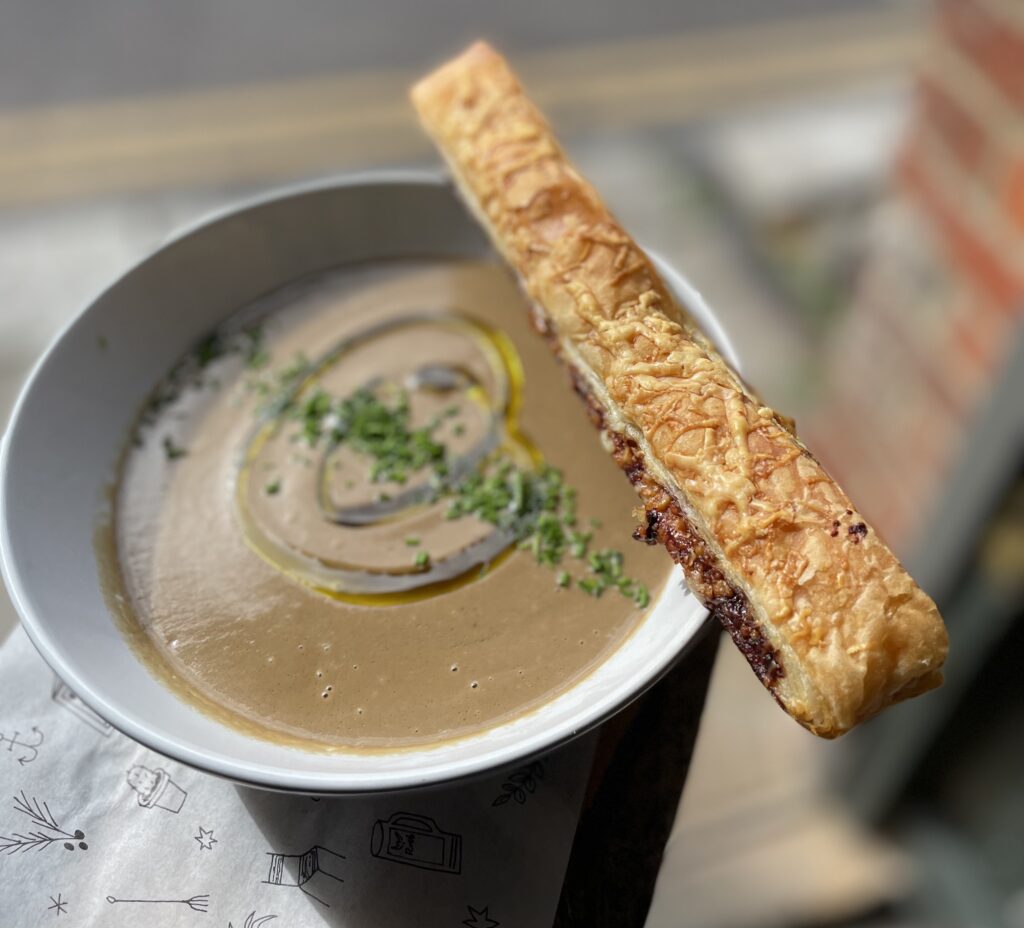
‘Milk it’ – getting the most out of the food you buy
Whether it’s beak to tail with a chicken, using the shells of seafood or using up the stalks of mushrooms, there are inventive ways to get the most out of your food purchases.
Ben at Winifred’s trims the excess fat on a Sunday roasting joint, renders it down separately and uses it to flavour his roast potatoes. Similarly, Henry and Olivia at The Cove in Fairlight make pie pastry from their beef dripping (fear not – vegans are warned!). They then make the base for their bitterballen (deep fried meatballs) from chicken carcasses and butter from excess cream.
We may not all be cooking roast dinners weekly, but when it comes to using up vegetables, Freelance chef Daniel Ibbotson has some relatable advice. He uses mistakes to his advantage! He suggests that if you overcook or burn roast veg, carry on the process and turn it into complete ash. The powder can be blended and stored indefinitely and rubbed over meats for a bitter smoky charcoal flavouring. The ash can also be soaked in a neutral oil and turned into a smoky mayonnaise. Mark and Roo of Supernature have a hack for mushroom stalks. Roo suggests, “Take your mushroom stalks, add whole milk, a garlic clove, dark soy sauce and some seasoning – put it all together in a pan, bring to a simmer and blend. It will be the nicest cream of mushroom soup you’ve ever had.” Lloyd, Executive Chef at The Plough and Union makes “binchi” or “trim chi”. He uses kale stalks to make kimchi and serves them on Maldon oysters as a spicy option. “If you have vegetable waste, make kimchi!” Alexander at The Pump House Cafe in Alexandra Park makes a huge volume of bacon, lettuce and tomato sandwiches. He saves tomato ends and slowly cooks them into a rich shakshuka sauce. Just like the flavour you get in mushroom stalks, seafood shells can add huge flavour to a dish. Dan at Holy Mackerel suggests that luxury sauces like crab or lobster bisque can be created with just the shells. Fish frames and heads, especially flat fish like plaice, sole and halibut are perfect for making fish stock. Kim at Tonka seconds this, “Whenever we feature prawns on the menu we ask the fishmonger to give us the heads and tails as well as the peeled prawns. The heads and tails get cooked down with lots of garlic, herbs and butter to make a super fragrant prawn butter that is perfect on pasta with parmesan for staff meals. It can be added to any number of meals to add an umami hit”.
Dough!
Bread is one of the four top wasted foods in British households (the others are milk, chicken, and potatoes). Our experts have some suggestions. The Ginger Baker, Rob says “Stale, harder, older loaves, especially sourdough can be refreshed in the oven after a little soaking in water, plus there’s always the possibility of croutons and panzanella salad!”. Emmanuel Hajiandreou, baker and author, recommends freezing fresh sliced bread – this allows you to take one slice out of the freezer at a time. Frozen fresh bread defrosts and refreshes really well, especially in the toaster. While, Pasha at Small Batch Babka turns her uneaten babka (sweet braided bread) into babka french toast (“If there are any leftovers!”). She’s also planning to experiment with some babka bread and butter puddings – delicious.
Freeze it?
Many foods can be frozen and used later on, a hack overheard this week was for over-ripe bananas – chop them up and freeze them, then use them later on in smoothies. Andrew at The Crown recommends collecting and freezing cheese rinds in a tupperware. “If you plan to make a ragu or bechamel, you can take a rind from the freezer and let it melt into your sauce. Parmesan works best to give a salty umami hit, but anything will do, even blue cheese which could provide a twist in a classic mac and cheese.” Jay at Carroll’s Greengrocer recommends buying in bulk when produce is cheap and in season and freezing it down to save on the cost of out-of-season food.
Don’t ask, don’t get
Our contributors also had some ideas for asking local food suppliers for a little extra – this could be animal bones for stock – or Paul Hodges of Hastings Fish Market suggests asking your fishmonger to smoke some fish bones for you, it will add a great twist to your fish stock flavour. Particularly good for Sussex Smokies and fish pies.

Unusual uses for surplus items!
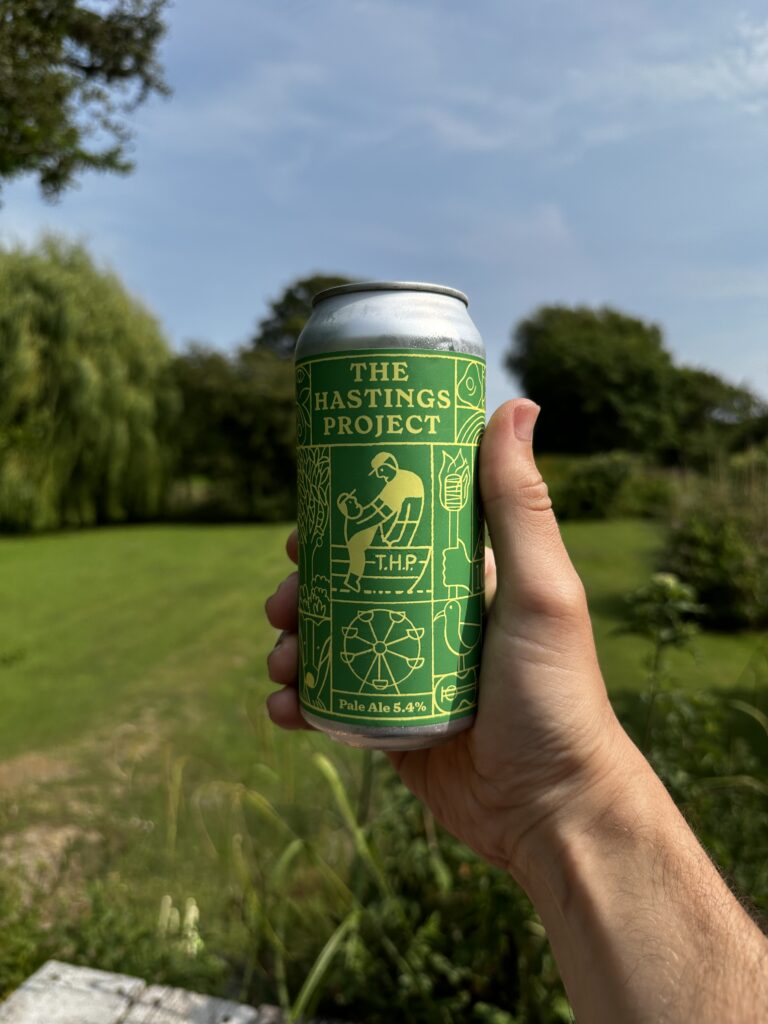
There are some interesting by-products from food; some items can have a novel second life as fertiliser or even exfoliant!
Kim at Tonka says that, “Coffee grounds make excellent hand exfoliant. Mix them with a little salt and sugar and essential oil. Our kitchen team uses them at the end of a shift to get rid of cooking smells, they leave your hands super soft and will last around a week.” Dan at Holy Mackerel suggests using smashed up shellfish shells and oily fish heads in your compost to create fertiliser for your garden, and he will happily donate waste products to his customers. Robbie Omrod at The Hastings Project Brewery waters his plants with stale beer rather than pouring a half drunk bottle down the sink. He says, “It makes a great natural fertiliser. I found this out when I ditched a batch in one spot in the garden. The grass went mad!”
Buying food in a purposeful way can help to reduce household food waste. Whether you decide to buy more purposefully or adopt some of the ideas here, you’ll be able to get more value out of your food shopping and throw out less.
We hope you have enjoyed reading this article. The future of our volunteer led, non-profit publication would be far more secure with the aid of a small donation. You can also support local journalism by becoming a friend of HIP. It only takes a minute and we would be very grateful.

Leave a Reply