
ATHLETICS
HAC – A club in sporting tradition
By Ben Cornwell
Athletics turns some of the most basic human activities into sport: running, throwing and jumping. The first written records of the ancient Olympic Games in Greece don’t actually report the two latter activities, and at the first reported Games back in 776 B.C, there was a single event for runners to compete in: a 192-metre race known as The Stade. But fast forward 2,800 years and move 1,500 miles north-west: for all the changes, Hastings Athletics Club (HAC), one of 1,650 clubs supported by England Athletics, is keeping the spirit and tradition of those Games intact.
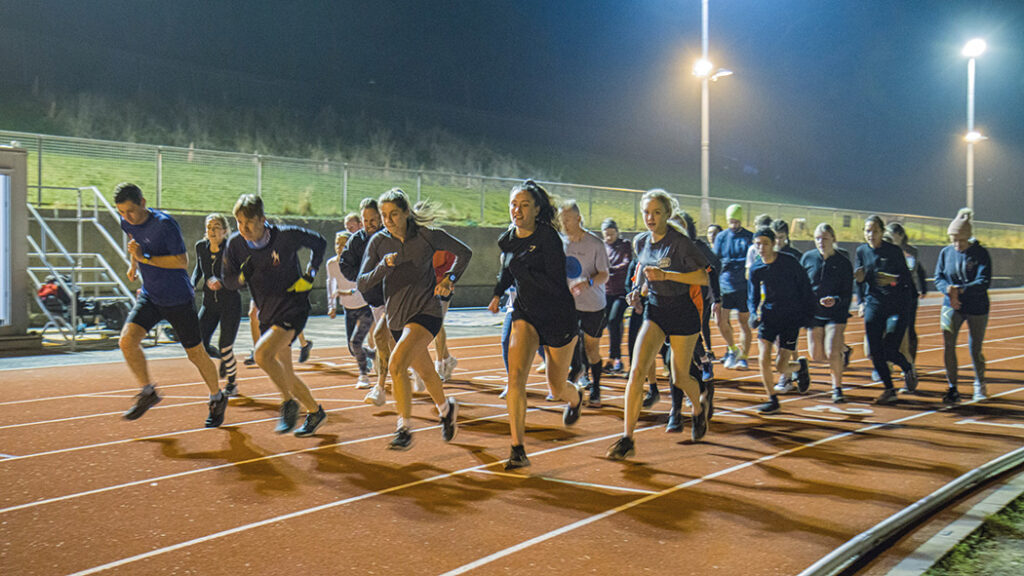
My recent visit to the Ark Alexandra Academy athletics track, which has been the club’s home since 1976, was on an incredibly cold Tuesday evening, and I wondered how many people would show up. There were at least fifty to sixty athletes in their running gear braving the cold when I arrived, ready for the session to commence.
The club has excellent equipment and facilities, including the newly-renovated Luke Veness Clubhouse which many parents and members of the club helped to transform on an almost non-existent budget of £100.
CREDIT: Bob Beaney
HAC trains local residents of all abilities from eight years old and upwards. Over the years they have included athletes who have reached national and international level, including Sean Baldock, a sprinter who competed in the 2000 and 2004 Olympics, Grace Baker (Cross Country) and Elise Lovell (Heptathlon and Long Jump). But the club offers a broad range of training sessions for athletes of all abilities and aspirations. There’s a newly formed Beginners/Improvers Group (BIG) for those more social runners or ‘couch-to-5k’ participants.

Benefits of coaching
Senior middle-distance coach Peter Baker has been a part of the club for around 15 years. Like many of the other volunteers and coaches, he first became involved after his children (Grace is youngest of three) joined the club. Just from one session it is clear that the athletes respond well to his coaching, and he helps motivate them to reach their individual goals and targets. But while he is proud of the achievements many of the athletes have made on the track, he believes the best part of being a coach has nothing to do with the running.
“I coach athletes who are in their 20s. Many of them I have known since they were 10, so I’ve seen them grow up to become not only better athletes but also good human beings,” he said. “That’s the thing I am most motivated by. I think it is a privilege to be alongside these adults and kids who are so dedicated and disciplined.”
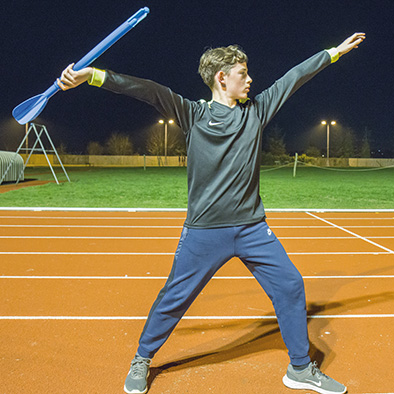
Sessions at the club are not only preparing the athletes for all the different races and events in the coming weeks. Coaches have noted that training can also help improve confidence in general life. Martyn Cooper helps to coach the younger athletes at the club. He believes it’s important to encourage them to try all aspects of the sport, although there can be some initial reluctance.
“Some at the start don’t like getting sand on their feet or are scared of the high jump, so it’s nice to see the progress from when I first start training them to then a few sessions later when their confidence has grown,” he said.
Financial Hurdles

No competitive group is perfect. A couple of years ago, differences of opinion within HAC led to many members leaving. Finances have been strained while the membership base is brought back up.
CREDIT: Bob Beaney
HAC was awarded charitable status in December 2020 but Peter Baker admits that they have yet to reap the rewards of this. He said their main goal this year is to become financially viable, as in the current climate they are losing money.
The club pays £800 per month to use the track and its other facilities, but current membership fees are unbelievably cheap, ranging from £8 per month for adults to as little as £3.42 a month for under 11s ─ that’s less than 29p a session. These rates are set to be reviewed in the near future in an attempt to help cover some of the club’s expenses.
“We need to make sure that the club continues to exist”. Peter says. “We are in danger of the town losing its athletics club. I don’t think that’s what anyone wants, as there is a whole gamut of athletes that come here and use the facilities each week, it’s not just long distance and road runners.”
• Hastings Athletic club sessions are on Tuesday and Thursday evenings as well as Sunday mornings. If you are interested in joining, more information and contact details are available on their website: www.hastingsathleticclub.co.uk
We hope you have enjoyed reading this article. The future of our volunteer led, non-profit publication would be far more secure with the aid of a small donation. You can also support local journalism by becoming a friend of HIP. It only takes a minute and we would be very grateful.

Leave a Reply