
Take a Chance on Me
ROBIN HOLTOM
Arthur Ransome, the author of the well-known children’s series Swallows and Amazons, had a very interesting early life. Among other things, he was a reporter for the Manchester Guardian during the Bolshevik Revolution and ended up marrying Trotsky’s secretary – his second wife – before retiring to the Lake District to write children’s books. So he probably understood ‘freedom’ more deeply than most people. In the beginning of his first Swallows and Amazons story, the children’s mother telegraphs their father, who was living abroad, to ask if they should be allowed to sail a boat by themselves. The telegram she receives back reads, “If not duffers – won’t drown. If duffers – best drowned.” This robust answer was typical of attitudes in the 1930s, half a century before the invention of risk assessments.
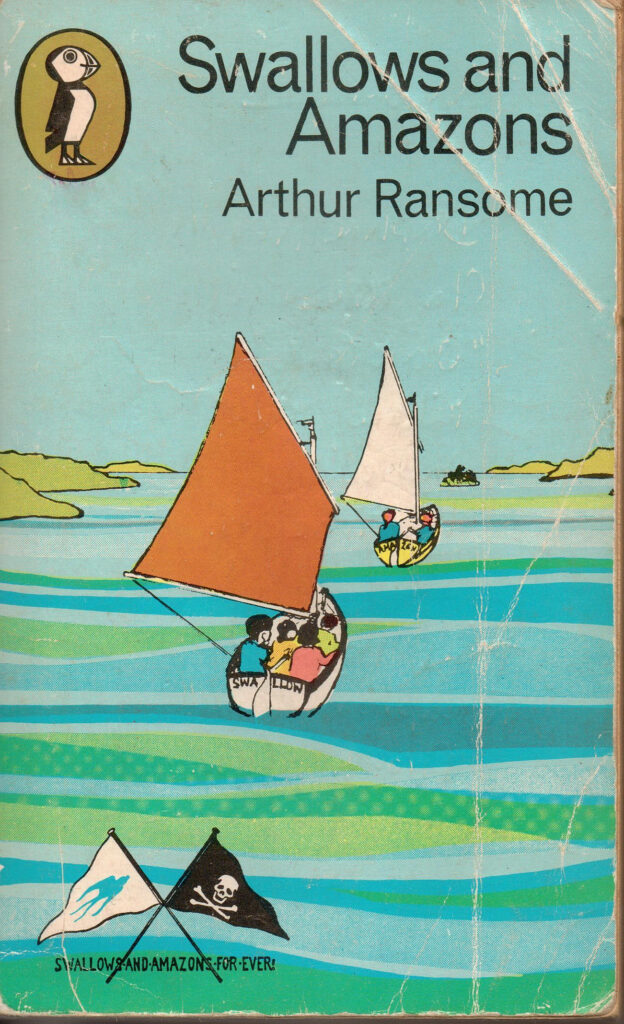
Two world wars, in which extreme risks were familiar to almost everyone, endowed parents in the 1950s with a generous optimism about their children taking responsibility for themselves. At this time, for example, my parents agreed for myself and two friends to cycle round Brittany camping on our own aged only 14. I’d learnt from reading Swallows and Amazons that you can dry wet matches in your hair, something we had to do a number of times. We were considered responsible enough and not “duffers”.
Do we need another world war to rediscover this sense of personal responsibility and freedom? Tribal societies have their own way of endowing young people with a sense of responsibility and confidence. Being initiated into tribal secrets is a harsh and often painful process, but it enables young men and women to enter into full membership of their tribe. This creates social cohesion, but limits by its narrowness what we know as progress.
Tribal life is not comfortable or convenient by our standards. The attractions of criminal gangs suggest that some contemporary ‘tribal societies’ are giving a sense of social cohesion for some people. Our civilised initiations, on the other hand, consist of academic examinations and holidays in exotic places, sometimes exploring drugs or alcohol. This offers a kind of coming of age for young people, but without disrupting the sacred conveniences of modern life.
These conveniences, however, have caused us inconveniences. The number of laws passed by Parliament have gradually increased over the last century. The annual volume of new statutes published in the 1930s was quite slim, while nowadays the annual list of statutes is two plump volumes.

We are correspondingly more circumscribed in our daily lives. The number of new drugs marketed each year has also accelerated tenfold since the 1950s. Consequently a corresponding number of new ailments have been discovered for us to worry about and drug companies to profit from. Processed foods make cooking quicker, though not healthier, and our food choices have become correspondingly more complicated.
We each of us own labour-saving devices that would make a Roman Emperor envious, but he would also envy the autocratic power that our present day rulers can exert over us as a result of our meek acceptance and our addiction to convenience.
We hope you have enjoyed reading this article. The future of our volunteer led, non-profit publication would be far more secure with the aid of a small donation. You can also support local journalism by becoming a friend of HIP. It only takes a minute and we would be very grateful.

Leave a Reply