
Housing Crisis Solved
As official figures show more than 105,000 people in Britain are living in temporary accommodation, KENT BARKER looks to history to find a solution.
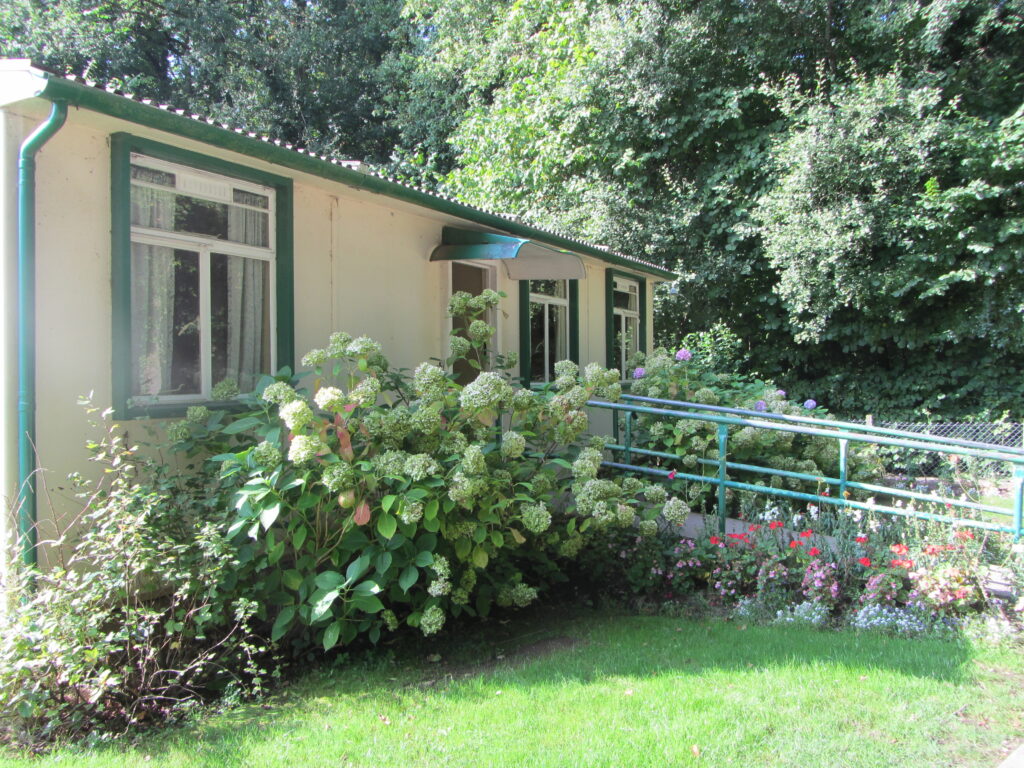
As a small boy growing up in South East London, I well remember the mini-estates of ‘prefabs’ dotted around Blackheath and Lewisham. Sometimes the rows of bungalows were freshly decorated and had colourful gardens. Others were more neglected. These emergency solutions to the post-war housing crisis were only designed to be lived in for 10 years, but in the mid 1970s, there were still more than 10,000 being occupied in London alone.
By the end of the Second World War, thousands of British people were homeless. Two million houses had been damaged or destroyed in air raids. In 1945, it was estimated that 750,000 new homes were needed. The labour government embarked on a massive housebuilding programme, but as a temporary solution they commissioned thousands of prefabs from various manufacturers. One of the most popular was the Aircraft Industries Research Organisation House (AIROH) which was largely made of aluminium and built in former aircraft factories. They were delivered in four sections that were assembled on site. Each was single story with a kitchen, bathroom, two bedrooms and living space and each cost £1,600.

Today you can buy a small, prefabricated, flat-pack house for as little as £11,000. Groundworks, increased insulation, heat pumps and solar panels will obviously push up the cost, but bulk buying would generate economies of scale. So here, surely, is the solution to the housing crisis. The government invests a few billion pounds and commissions, say, 100,000 prefabs and within six months or a year they will have gone a very long way to solving Britain’s problem of homelessness.
Now you may feel there is a fundamental flaw in this argument. Just where are these thousands of bungalows supposed to go? We no longer have the bomb sites that were around in 1945, and Tories, in particular, might cavil at estates of bungalows dotted across the countryside or covering the green belt. Well, instead of building estates, how about spreading them round the country? Britain has around 9,000 towns and cities. If each took a dozen prefabs you’ve almost solved the problem. Surely councils could be required to find the necessary land. But there are also 6,116 villages in the UK, each of which might perhaps accommodate a prefab or two.

And if people wanted to live in the country, then how about asking some medium-sized or large farms to find a bit of space? Most are already in receipt of the £1.6 billion government grants through ELMS – the Environmental Land Management Scheme. It could be a requirement that those getting the biggest pay-outs provide a couple of plots for prefabs for the homeless. It might even help towards solving the shortage of agricultural labour if more people lived on farms and saw what was involved!
Apart from complaining about the possible social engineering aspect of this, I’ll bet a few may be wondering about the financing of my new prefabs. All this talk of investing ‘a few billion pounds’ surely means higher taxes? Well, not necessarily. Local Authorities are already paying considerable sums to provide temporary accommodation for homeless people. Those ‘rents’ could go to pay back government loans. How about the issue of a special government bond to raise the capital needed to manufacture the homes and prepare the sites, linking them up to services and utilities? Interest rates could be attractively above those available for savings accounts. Rents from those in work, or the benefit payments from those not waged, then go to pay the interest and service the loan.
In many cases the post-war prefabs proved very popular. Some, it is true, were cold and leaky. Some were built of asbestos panels. But for many people it was the first time they had an indoor toilet, let alone a bathroom. And most had some space at the back for hanging out the washing as well as a small front garden which could be cultivated. As we have seen it was designed as a short-term solution that actually had a life span of more than double that originally intended.
I know people in Hastings who have actively chosen to save money by living in some of the static caravan parks dotted around. Those can have considerable problems in terms of year-round occupancy, high ground rents and minimal insulation. My prefab scheme could avoid those issues and, because the concept is to spread them round rather than concentrate them in parks, the visual impact on the environment would be greatly lessened. And I’ll bet that many of those 100,000 souls currently in temporary accommodation in Britain would welcome a home of their own. How many would care that it was a prefabricated one?
We hope you have enjoyed reading this article. The future of our volunteer led, non-profit publication would be far more secure with the aid of a small donation. You can also support local journalism by becoming a friend of HIP. It only takes a minute and we would be very grateful.

Leave a Reply