
Swimming Against the Tide
By Paul McLaughin
The Government decision to slash the funding of its Energy Bill Relief Scheme (ERBS), designed to help businesses with spiralling energy costs, is going to cause severe problems for many of our local businesses and charities in the coming months.
The current £18 billion scheme comes to an end in March and will be replaced with a new, much less generous,
£5 billion programme. The new ERBS is targeted primarily at helping “energy and trade-intensive industries”, particularly those involved in manufacturing. Other energy intensive sectors, such as museums, libraries and even “botanical and zoological gardens and nature reserve activities” will also continue to benefit.
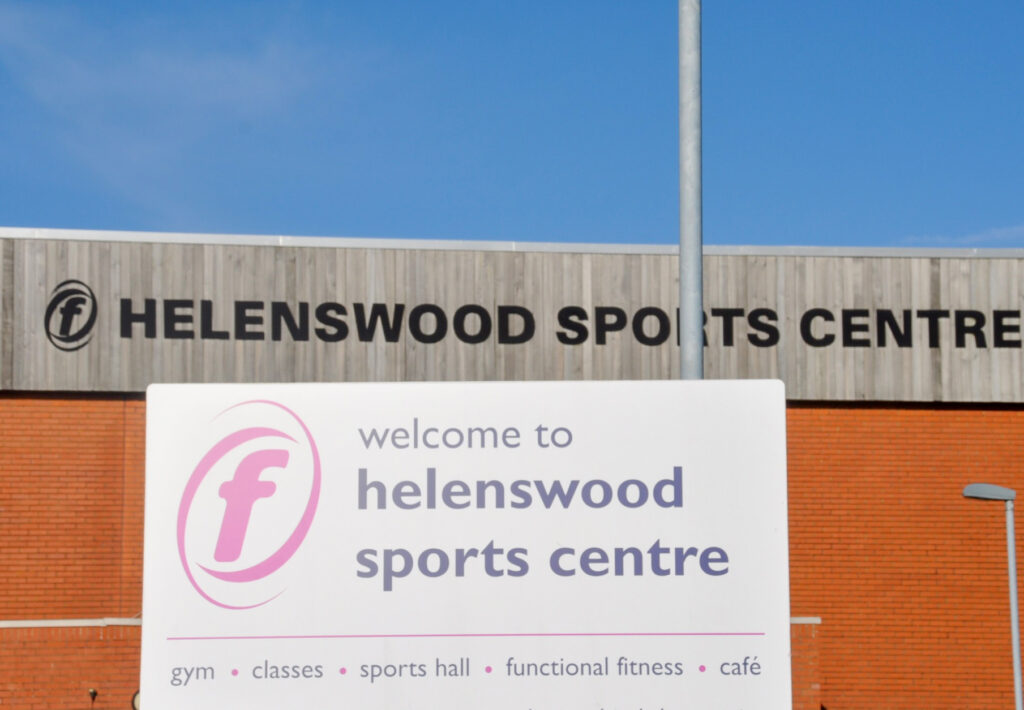
One of the sectors that will miss out on extra support under the new arrangements will be local swimming pools and leisure centres, including the Summerfields Leisure Centre in Bohemia Road, the Helenswood Sports Centre on The Ridge and the Falaise Fitness Centre on Cambridge Road. All three centres are owned and operated by Freedom Leisure (FL), one of the leading charitable and not-for-profit leisure trusts in the UK. CEO Ivan Horsfall Turner said he was left “frustrated and very disappointed” at the Government’s announcement. Sports centres and swimming pools are very intensive energy users. To illustrate this point, he said, FL’s annual energy bill has increased from £8 million to £20 million even with the temporary cap. Such rising costs cannot be sustained without a “real risk of having to take difficult decisions to close facilities and services”.
Impact of closure
The swimming pool at Rye Leisure Centre, managed by FL, has been closed since 1 November. The potential closure of other local sports centres and swimming pools would have a huge impact on schools and on the wider community. As recently as 2018, public pools were encouraged to work with schools to provide swimming lessons, with ministers extolling the great benefits of swimming in helping children to stay fit and healthy, with swimming also teaching children vital skills in how to stay safe in and around water. This is especially important in a seaside town like Hastings. Swim England estimates that in areas across the country where public pools have closed there has been a direct correlation with the numbers of children who leave primary school unable to swim 25 metres.
The impact of pool closures on adults and seniors is equally dramatic. Local pools are central to the wellbeing of local communities with organised swims for women and toddlers, disabled and older people. They also help against isolation and loneliness.
The recent wave of public sector strikes has focused attention on the funding of front-line public services, and in particular, the NHS. There has been little scrutiny of deeper problems relating to wider public health, however, and the seemingly intractable questions of how lifestyle and diet can impact on disease prevention. Various Government initiatives to encourage healthy eating or participation in sport invariably fall by the wayside when confronted with the financial reality of Treasury cut-backs. The NHS is then l eft to pick up the tab, with doctors having the grim experience of seeing the same patients in the same impoverished areas with the same conditions year after year.
In an ideal world with joined-up government working for the long-term good of the country, local sports centres and swimming pools would be an essential part of a solution to improving public health and not the easy option for short-term savings.
We hope you have enjoyed reading this article. The future of our volunteer led, non-profit publication would be far more secure with the aid of a small donation. You can also support local journalism by becoming a friend of HIP. It only takes a minute and we would be very grateful.

Leave a Reply