
Property Prices on the Rise
Kate Darbyshire, director of John Bray estate agency in Hastings and a member of the Guild of Property Professionals, reports on trends in the property market.
In East Sussex, average property prices grew by 5.1% in 2020. Over the past 12 months to January this year that figure rose to 12.6%. But in Hastings, the increase has been 22% in just one year, making the average sale price of a house now £335,000
Why? It is, as always, a question of supply and demand. There is very little stock on the market. We are speaking to people that would like to put their property up for sale but are just not able to find what they need, so are holding off. Anything that does go on the market is typically going under offer within the week or less. We have sold property recently off-market, meaning we have not even had to advertise.
That accords with trends nationally. The quantity of property for sale is low everywhere. The Royal Institute of Chartered Surveyors reports that – barring lockdown conditions in 2020 – stock levels per agent were at a record low in January.
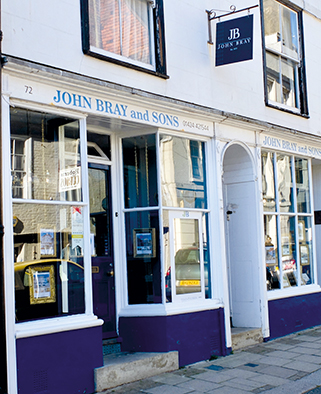
CREDIT: Dave Young
Good time to sell?

There are some signs of change. New listings in January rose 11% year-on-year, with Rightmove noting a substantial rise in home valuation requests – an indication that many are looking to sell before they buy in current conditions. These should feed through to agents’ books over the coming months. Historically, March is the strongest time to sell, with the highest number of buyer enquiries per property for sale. On the other hand, consumer confidence in the UK remains on edge due to the rising cost of living. Increases in the cost of food and clothing, along with rising fuel and energy prices look set to squeeze many household incomes.
An estimated 68% of households have a mortgage to pay on their property, therefore any rise in the base rate of interest is a cause for concern. But, with nearly three-quarters of homeowners currently on a fixed-rate deal, and 94% of new loans being issued on this basis, many are protected in the short term. Also, the base rate of interest in the UK has been 1% or lower since February 2009. Even if, as experts predict, the rate rises back to 1% by the summer in a bid to curb the rising cost of living, it remains low by historical standards, with mortgages taken out since April 2014 stress-tested to a 6% interest rate.
Rental market
With regard to rentals in
Hastings, there is a little more stock on the market now and slightly more choice for applicants, but both flats and houses are still being let very quickly, typically through block bookings, which still makes it really competitive and difficult for people trying to rent.
This again reflects national trends. Tenant demand is now at its highest-ever recorded level, with Rightmove reporting renter demand as 17% higher than in January 2021, and up 33% compared to January 2020. As in the sales market, a shortage of property to let is leading to rises in average rental values in all areas of the UK. However, according to a Property Academy survey, many landlords are keen to keep existing renters: 76% say they would maintain a rent level if they were happy with the existing renter.
We hope you have enjoyed reading this article. The future of our volunteer led, non-profit publication would be far more secure with the aid of a small donation. You can also support local journalism by becoming a friend of HIP. It only takes a minute and we would be very grateful.


Leave a Reply