
Fare Fight?
MP, county council and campaigners clash on bus priorities
HUGH SULLIVAN
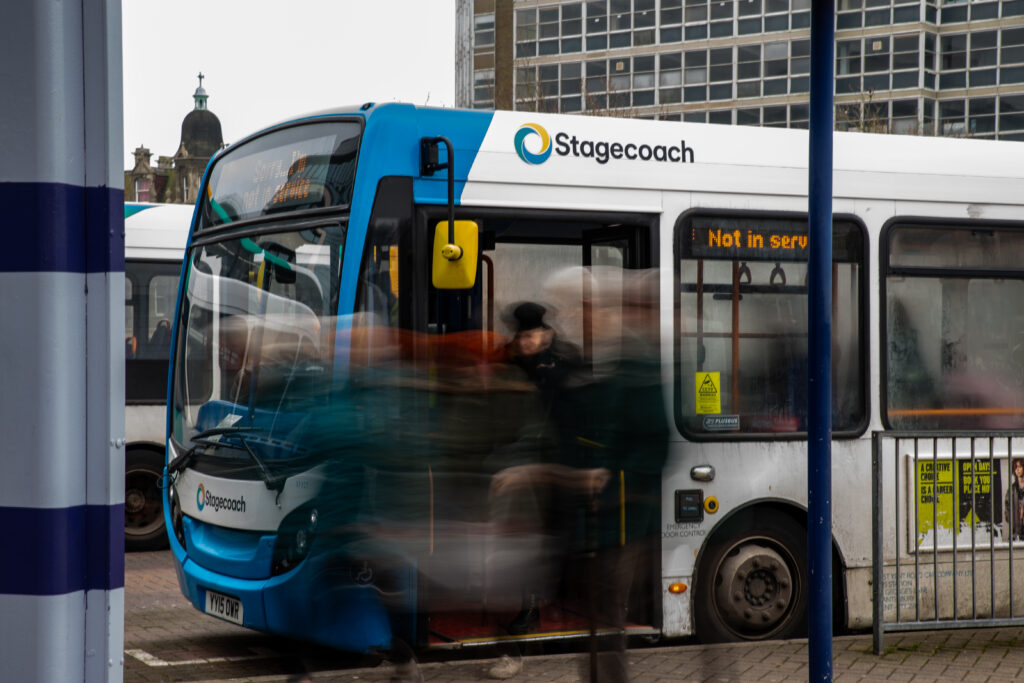
In recent days, residents of Hastings and Rye have received a circular through their letterboxes from MP Helena Dollimore, highlighting government investment of £16.5 million to be spent on local buses. She says she intends to ensure that the service providers Stagecoach and local transport authority East Sussex County Council spend this money “in a way which reflects bus users’ priorities”.
She suggests that this will include “newer and greener buses, improving bus stops so we no longer have to wait in the rain, and providing clearer, more accessible information about services”.
What she doesn’t say is that the £16.5 million, announced by the government last month to be paid over the next three years, represents a substantial reduction of funding support compared to the previous three-year period under the East Sussex Bus Service Improvement Plan (BSIP).
She also makes no mention of reports from service providers like Stagecoach that they are experiencing large increases in operating costs – increased wage bills, vehicle replacement costs etc – and unprecedented environmental pressures – congestion, increased roadworks and other streetwork interruptions.
The immediate upshot in East Sussex has been a reduction in the subsidy paid by the council to the bus companies, and resultant withdrawal of the fare-cutting ‘short hop’ tickets that have been available in recent years. New higher fares will be introduced from next Sunday 1 February.
Single ‘short hops’ currently charged at £1 will cost £1.90; £2 fares rise to £2.70. Child fares go up substantially too, as will weekly and monthly tickets.
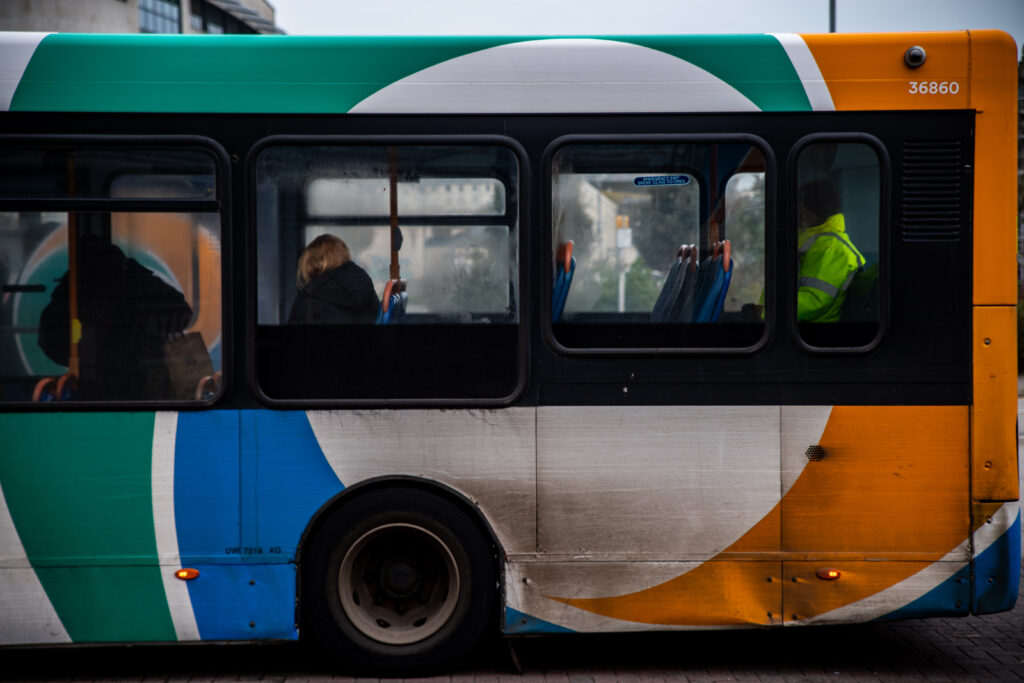
Stagecoach has been at pains not to lay blame on either the MP or the county council. “We welcome Helena highlighting the importance of local bus services”, says Regional Communications and PR manager Darragh Morris. He notes that congestion may be eased by more bus lanes and improved traffic management, such as the changes currently being designed for Havelock Road.
Joel Mitchell, managing director of Stagecoach South East, adds that East Sussex CC “has been an excellent partner, and there is a genuine shared commitment across all organisations to make bus services work for local communities”.
However, the local campaign group Transport Futures East Sussex (TFES) has issued a press release complaining that the hike in fares risks reversing the recent success in increasing the county’s bus passenger numbers.
East Sussex is one of nine local authorities in England, and third only behind Southampton and Portsmouth, that have raised passenger numbers above 2019 (pre-Covid) levels, according to TFES County Officer Derrick Coffee. The funding received under the previous BSIP, and resultant collaboration with bus operators, has delivered fares that people could afford, as well as new and enhanced services, he says.
Cheaper tickets have encouraged greater use of the bus rather than trips by car which lead “to congestion, noise and poor quality, and making walking and cycling far less attractive and dangerous…The coming fares increases will have a negative impact on our collective efforts.”
Ms Dollimore maintains that the government’s Better Buses Bill “gives the council more power over routes, timetables, connections and fares. Now this bill has passed, lifeline bus services cannot be removed or changed without councils reviewing their ability to serve communities, especially those in rural or coastal areas like ours”. She has expressed concern that “Conservative-run East Sussex CC might redirect the government investment away from subsidising fares”, and exhorts her constituents to “work together to give our brilliant community the bus service it deserves”.
However, finding consensus for the balance of policy between keeping fares down and maintaining/improving services may be difficult. The non-driving elderly are naturally prime bus service users. But those of pensionable age – approximately one quarter of the population of East Sussex – qualify for a free bus pass; disability concessions push this proportion higher. Fare prices, reduced or increased, don’t affect them.
Ms Dollimore will be convening a meeting in Hastings on Thursday 12 February (starting 4.30pm, venue yet to be notified) at which managers from both Stagecoach and East Sussex CC may be addressed by members of the public.
We hope you have enjoyed reading this article. The future of our volunteer led, non-profit publication would be far more secure with the aid of a small donation. You can also support local journalism by becoming a friend of HIP. It only takes a minute and we would be very grateful.

Fares go up and services go down if not enough people ride the buses. Government subsidy is supposed to kick that trend in the other direction. But, if the subsidy isn’t spent on permanent infrastructure, mostly bus lanes – worthwhile ones that are continuous throughout most of a bus route – then buses stay stuck in traffic and anyone with a choice chooses to go by car.
Potential bus riders, the ones with choice who still aren’t riding, need better walking conditions on the way to better bus stops. Then getting in the car for a journey would have a bit of competition.
Were the centre of town to have been transformed into a Garden, as Hastings Town Board intended, seamlessly connected to the beach with a perfect-for-walkers crossing from Harold Place to the sea, then more people would come to town by bus to walk…and shop and eat. But Stagecoach think it’s a win to be allowed to carry on driving through the middle of it up and down Harold Place and Havelock Road. It means there’ll be no walkers’ paradise and you might well drive on right past it.
Is East Sussex County Council leading Stagecoach astray? Its previous huge £41.1m award before this latest £16.5m allocation, was spent on capping bus fares, experimenting with on demand rural bus services which worked as bus-shaped taxis, some (thankfully permanent) bus priority traffic lights and £11.1m on widening Exeat Bridge into the Seven Sisters National Park – to ‘unlock’ the road for motor traffic. Again, if the intention of the funding was to increase use of public transport and decrease use of private cars, it has not been properly spent.
Having private car ownership as the best and most government-subsidised transport option is wildly expensive for tax payers and for car owners and it makes travel and the environment horrible for everyone else. So this misappropriation of funds matters. It’s not what the Government intends. Why award more than £16.5m to a transport authority which drives recklessly over its remit to invest in healthy walking and bus riding?