
EXCLUSIVE: Local NHS Numbers in Recovery?
JAMES PRENTICE
An exclusive investigation by the Hastings Independent has revealed sustained improvements in figures for the local NHS trust. These enhancements in service delivery are spread across a broad range of measures.
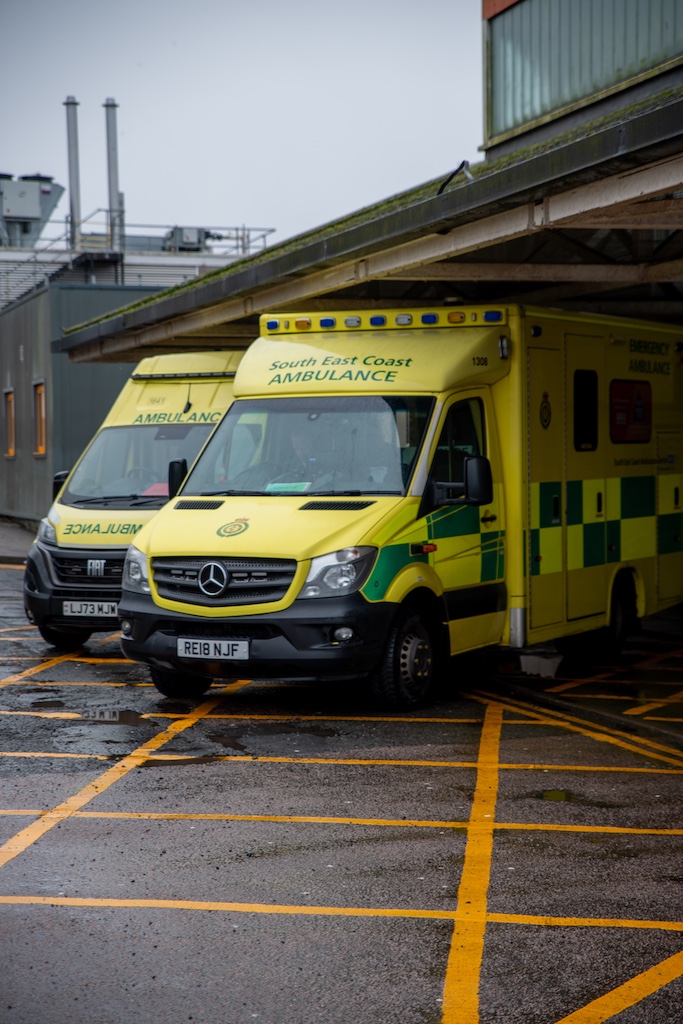
The NHS is generally considered to be facing fundamental problems. Some even argue it’s an acute crisis. Since the Covid pandemic, the performance of all NHS trusts has declined, with most targets being missed according to the BMJ. Yet, despite a tough winter with a virulent new strain of the flu virus (in early December, the number of flu patients in English hospitals hit a record high for the time of year), the Sussex NHS trust has reported considerably better figures.
GP SURGERIES
A long source of concern by NHS users has been the inability to see a GP within a reasonable time. But GPs have been able to improve the proportion of patients seen within seven days despite conducting, on average, more monthly appointments. Comparing 2023 to 2025, the proportion of appointments being held on the day a patient contacted their surgery increased by 10% (37% to 47%). Further, the proportion of appointments being conducted within one working day of a surgery being contacted has increased 5% in the same period.
Time taken to see a GP upon a request
All appointments


In contrast, the proportion of appointments being held more than a week from a requested appointment decreased 9% (13% to 4%). Vitally, this would indicate that despite the additional pressures GP surgeries have experienced this winter, they have managed to see more patients within a respectable timeframe.
AMBULANCE RESPONSE TIMES
Perhaps the most alarming trend many people witnessed over recent years was the worsening response times in ambulance callouts. Previous analysis in 2023 found that response times for the most urgent category callouts had worsened. Worryingly, these cases cover Category 1: life-threatening illness, such as cardiac arrest and Category 2: serious emergencies, such as heart attacks, sepsis and major burns. This means that patient outcomes are likely to have worsened due to decreasing performance. Yet, throughout 2025 these response times improved dramatically. Category 2 responses shortened by 19 minutes compared to the June 2022 peak of 43 minutes. The average response time for Hastings and St Leonards is now 24 minutes, which brings the town much closer to the national target of 18 minutes. Impressively, these improvements have extended during the late autumn and early winter months, suggesting that services have improved sufficiently to withstand the severe pressures of a winter season.
HOSPITAL PROVISION
The handling of ambulance services by hospitals has also improved, with reductions in the time taken to hand patients over to hospital care. Ambulance handover times have improved by 4.5 minutes throughout 2025, reducing from an average of 21 minutes to 16.5, much closer to the 15 minute national target. This means that patients needing urgent care are being admitted to hospital more quickly. Importantly, this can improve patient outcomes and indicates an enhancement of hospitals’ provision.
Hospitals have also lowered patient backlogs by improving waiting times. From being referred to a hospital service, the NHS sets a target of 92% of patients being treated within 18 weeks. At the peak of the backlogs in May 2023, on average 54% of patients had to wait 18 weeks for treatment. Yet at the end of 2025, this average waiting time had gone down to 13 weeks. Importantly, this reduction has increased the proportion of patients being seen within the 18-week target time.
In the same period, there was an 8% increase in patients being seen within the 18-week deadline (54.3% to 62.5%). At the end of 2025, 92% of patients were being seen within 38 weeks – a decided improvement from the 48 weeks in May 2023. Whilst this still falls below the target, it does reflect East Sussex NHS Hospital Trust improvements within a difficult winter period. Such improvements will mean fewer people remain in pain and discomfort whilst waiting for surgery.
A&E DELAYS
For those who have used A&E, their waiting times, on average, have also been reduced. In 2022, only 63% of patients were seen within the four hour target. In the final four months of 2025, 73% were cared for within that time – an improvement of 10%. Interestingly, the proportion seen within the target time was higher this winter than for last winter, indicating that these improvements are being sustained even during times of intense health pressures. Further, with these winter pressures being overcome, this indicates a long-term trend where response times will continue to improve as pressures ease in the warmer months.
Average SEACAMB ambulance response times, Hastings & St Leonards only, 2022 to 2025

HOW THIS IS ACHIEVED
These findings indicate that this has primarily been enabled through better recruitment and retention of staff. In particular, GP surgeries have been suffering from a high workload combined with limited staff to meet the rising demand. Indeed, the Hastings Old Town surgery was found to have one of the highest patient to GP ratios in the country, greatly explaining the worsening appointment waiting times in the town.
Number of patients per Full-Time GP in East Sussex
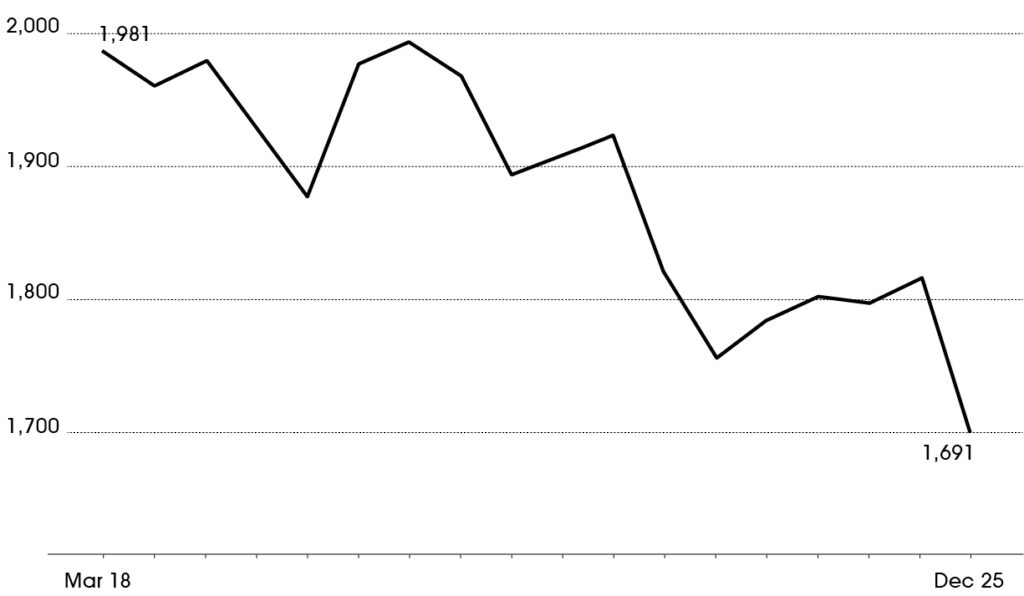
Yet, within the last two years, the number of patients per full time GP has greatly improved in Hastings & St Leonards surgeries. For instance, in March 2023, there were 238 full time GPs within the East Sussex NHS trust, with this having risen to 276 by December 2025, a 16% increase. This development has resulted in a drop of 297 (1,988 to 1,691) patients per GP, a 15% decrease in the patient to GP ratio.
The surgeries with the largest patient numbers, Hastings Old Town surgery (26,000), Hill surgery (20,000) and High Glades (18,000) saw the biggest increase in GP numbers. As these represent over 50% of the population and historically have had the biggest challenges in finding enough GPs, this indicates improvements have been made by directing new GPs to where shortfalls are greatest. This may have occurred because the new government has enabled GP surgeries to hire more staff, with resources being directed to deprived areas, thus favouring towns like Hastings.
Greater capacity has allowed GP surgeries in East Sussex to deliver more appointments. In 2023, monthly appointments were 13,240, increasing to 16,611 by the end of 2025. Therefore, as local surgeries have the staff to deliver more appointments, more people have naturally found themselves being able to see a GP on the same day they make an appointment.
Further, NHS England data confirms that the number of vacancies within South East trusts has reduced by 4,550 (18,247 to 13,705), a decrease of 25%. Vitally, the data available indicates that greater staff numbers have enabled the Sussex NHS Trust to reduce delays, provide greater capacity to deliver services and increase efficiency. As this greater capacity has reduced backlogs, future cases should have earlier intervention and better outcomes. If the trust can keep the positive momentum going, there is no reason why 2026 can’t be a year of further NHS improvements.
James Prentice is a data analyst with the Hastings Independent Press
We hope you have enjoyed reading this article. The future of our volunteer led, non-profit publication would be far more secure with the aid of a small donation. You can also support local journalism by becoming a friend of HIP. It only takes a minute and we would be very grateful.


Leave a Reply