
A New GP Service: Private and Remote
HUGH SULLIVAN
GPs have been the gatekeepers of the British medical system since the advent of the NHS 75 years ago. Access to medical help should come initially, save in an emergency, from your local GP.
But from the perspective of patients, it has become increasingly hard to consult a GP, with the chances of seeing the same doctor from one appointment to the next ever smaller. The options for residents of Hastings and St Leonards are pithily described on the website of DRGP, a new private clinic being set up by local GP Dr Vimalendran Ratheesh, as follows:
- ring your local NHS surgery at 8.30am, wait on hold for several minutes and hope you get an appointment;
- send an Engage Consult online request to your surgery to try to get an appointment;
- ring 111 and hope to get called back within 4-12 hours;
- go to A&E at the Conquest and wait 4-8 hours to be seen;
- use Sussex Premier Health and speak to their private GP for a fee of £110;
- use Benenden Hospital and pay £100 to speak to their private GP;
- wait till the next day and try again at 8.30.
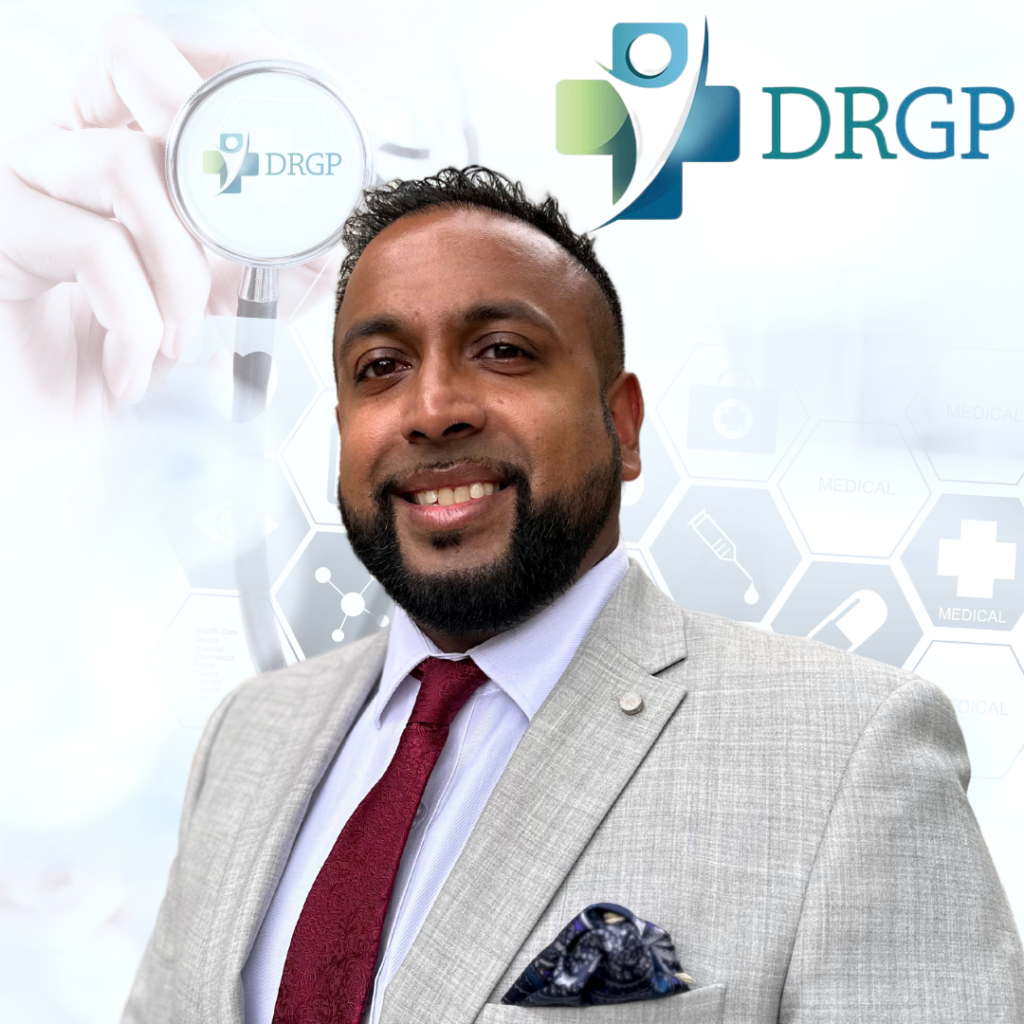
Dr Ratheesh, who trained as GP in Hastings between 2011 and 2015 and has worked as a locum GP in a number of NHS practices in the town and elsewhere over the past seven years, is offering a further option: the launch of a new private GP ‘telemedicine’ clinic which he intends to operate personally.
Access to DRGP will be online or by telephone. It will be marketed primarily in Hastings, promoting Dr Ratheesh as “Dr Rad…local GP with local knowledge”. However, as it will not involve any face-to-face consultations, it is accessible in principle from anywhere in the country.

Time slots of 15-20 minutes for a telephone or video consultation on the same or next day can be booked at a cost of £55 (it was planned to be £70, but some initial market research seems to have induced a £15 reduction).
LIMITATIONS OF SERVICE
It is clear that the service which Dr Ratheesh/Rad offers is severely limited. He will not have access to the enquiring patient’s NHS notes. Unlike larger private providers like Sussex Premier Health, he has no capacity to order blood tests, scans or other diagnostic aids. He won’t be seeing any patients personally, so can make no physical examinations, though he claims that video consultations can generally serve for this purpose. He can’t make any NHS referrals. All he can effectively do is provide an initial screening, provide private prescriptions for collection at a local pharmacy and sick notes for up to two weeks, and otherwise advise his consultees, if they appear to have more complex medical needs that require further examination and/or treatment, to consult further, either with an NHS GP or a private specialist.
Dr Ratheesh is not, however, defensive about this. In particular, since the onset of the Covid pandemic, doctors have become used to assessing cases remotely, and he thinks that the need for actual physical examination is rare. He admits that the lack of diagnostic test capacity is limiting, but says that he intends to provide Randox self-testing kits which will allow simple blood tests to be carried out by patients themselves.
He is also unapologetic about setting up a private clinic outside the remit of the NHS. “I’ve worked in Hastings as a fully qualified GP for seven years but never full-time and always as a locum. Nevertheless I calculate that I’ve done more than 27,000 consultations over that time. The demands on full-time doctors within the system are overwhelming and getting worse.”
He has worked for the Clinical Commissioning Group in Hastings including as an advisor for workforce planning and recruitment. So he has been well placed to observe the shrinkage of capacities in local GP practices and the dwindling proportion of GPs employed within them. “Most of my GP training colleagues left the area after training. There are 20 fewer GPs practising across the borough compared to seven years ago,” he says, “and those that remain are increasingly overworked and burn out quicker. Hastings does not have the same access to medical services as most big cities and towns. Morale is low, people are leaving and are not going to come back.
“My clinic is not going to eat into NHS provision. On the contrary, it will increase capacity. In the meantime, if you are concerned about privatisation of NHS GP services, look at the American corporations Centene and Babylon Health which own huge numbers of GP practices across the country. That’s a much greater threat to the public service ethos of the NHS system than I am presenting.”
For a full debate on privatisation within the NHS see page 10 – Free at the Point of Delivery

We hope you have enjoyed reading this article. The future of our volunteer led, non-profit publication would be far more secure with the aid of a small donation. You can also support local journalism by becoming a friend of HIP. It only takes a minute and we would be very grateful.

Leave a Reply