
Unmasking the Spectrum
SARAH MILNE
The summer term has begun, and young people across Hastings are currently entering their final months in school. It’s a stressful time of exams and future planning. For some, like my son William, the next few weeks of his life are simply ‘petrifying’ with the prospect of trying to navigate an adult world they don’t feel suited for, that they don’t understand and that doesn’t understand them.
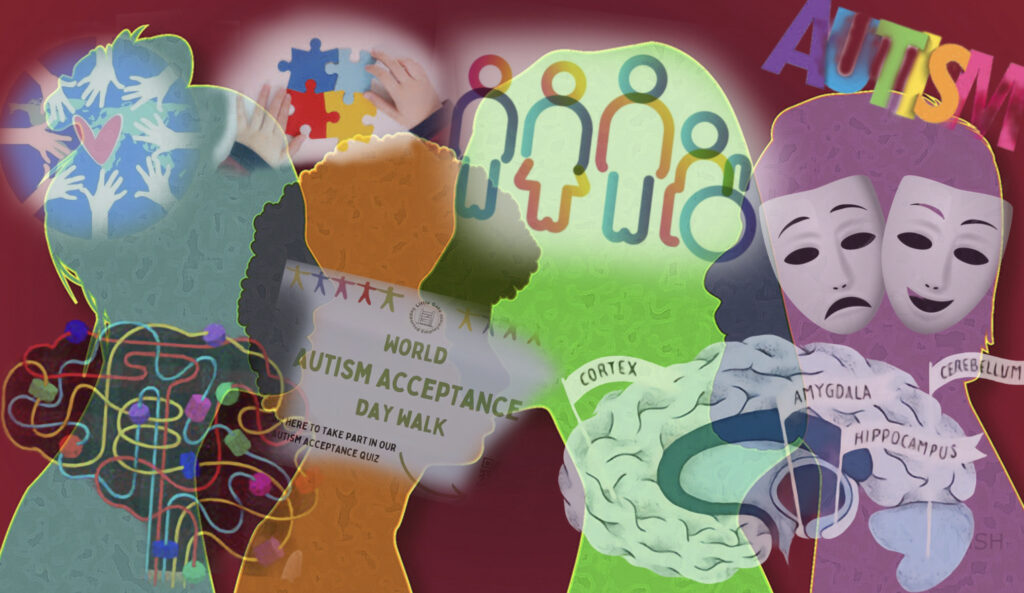
William is one of 700,000 people in the UK living with autism, or autistic spectrum disorder (ASD). More than one in 100 people are diagnosed to be on the autism spectrum. Around 5,500 of these people live in East Sussex and 1,000 in Hastings. According to the National Autistic Society (NAS), the actual prevalence is likely to be much higher. Despite these numbers, a widespread lack of awareness and understanding causes discriminating ideas which impact heavily on social lives, career aspirations and positive life experiences for those living with ASD.
Autism is a lifelong developmental disability which affects how people communicate and interact with the world. For people with autism spectrum disorder (ASD), the world can be a bewildering place. The social rules and nuances many of us take for granted are misunderstood, if noticed at all, leading to extreme anxiety and social isolation. The struggle through life can be further complicated by crippling sensory overload caused by an oversensitive brain unable to filter the maelstrom of information around them. This can lead them to experience a meltdown or shutdown, and further judgement from society
EARTH AND AUTISM AWARENESS
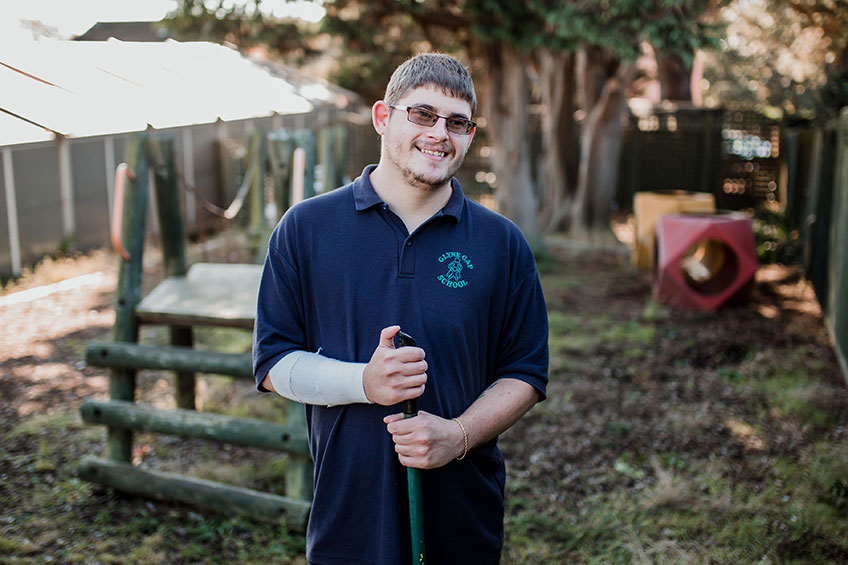
While people with ASD face extreme daily challenges, they also have unique capabilities, such as the ability to see the details most of us miss, to absorb and retain facts in their exceptional memory, creative and novel ideas and perceptions and often deep, expert knowledge about topics they are interested in. Talents like these are often hidden under our stereotypical views, but understanding, embracing, and celebrating different ways of thinking and doing can benefit us all. A great example is Greta Thunberg, whose specialist knowledge, focus and creative ideas have been game changing in raising awareness of the environmental issues many of us are reflecting on Earth Day this week.
April 2 is World Autism Awareness Day, an initiative aiming to spotlight the hurdles people living with ASD face every day. This year’s theme was Transforming the narrative: Contributions at home, at work, in the arts and policy making. Hastings celebrated in style with our first ‘Autism Awareness Seafront Walk and Celebration’. The event was organised by Little Gate Supported Employment, a local charity that strives to improve the lives and aspirations for young people with ASD by helping them train for, find and thrive in paid employment. CEO, Andrea Randall-Smith, explained “Events like this are really important to bring everyone together to talk about ASD, learn and celebrate the diversity that makes our community richer, stronger and more creative.”
Andrea introduced me to one of Little Gate’s work trainees, 25-year-old Chloe Valentine. She explained to me the challenges she faces due to people’s preconceived ideas about autism “Because of how capable I am, sometimes people don’t believe that I have autism. When people meet me for the first time it’s not obvious, and then when a situation arises when I may need support, people don’t know what to do and they panic. People are also surprised to learn that I drive. Which confuses me as I don’t see why people with autism shouldn’t drive?”
MASKING AND UNMASKING
A 12-year-old girl shared with me her devastating experience of stereotypical ideas
“At school, even the nice children will say ‘are you autistic or something?’ if anyone does anything weird or strange. People need to learn what autism is and how to help.” I found Biff Mooney, a senior project leader at Little Gate, leading a workshop inviting people to make a mask that shows their true self, the parts of them they usually keep hidden. He said “We want you to know that to appear ‘normal’ and fit-in is taking us work and energy all the time. We can look like we are doing well but it is an endless effort, and it is exhausting.”
Biff believes enabling people with ASD to unmask would need both work with individuals to help them feel safe to be able to be themselves and educating society to learn to accept their differences. “We won’t be able to do this unless people learn to accept differences as a positive thing. We are seen as something that needs fixing.” There are many controversies around treatment and cure of autism. Biff’s ideas align with the view taken by the NAS, who claim autism cannot and should not be cured and should be seen as a difference, rather than a disadvantage. Others see autism as a serious, debilitating disorder that deserves a cure. Some people with ASD have found benefit from nutritional changes, especially eliminating gluten and the dairy protein, casein, or using nutritional supplements.
The Association of UK Dieticians agree that specialist input can be useful to help challenges such as the preference for ‘beige’ foods, certain textures, and food anxiety. Together with The National Institute for Health and Care Excellence (NICE), they warn against elimination diets, especially for children, and recommend dietary changes and supplements are done under guidance from a GP. Dutch homeopath, Tinus Smits, pioneered ‘CEASE,’ the Complete Elimination of Autistic Spectrum Expression, which he claimed had helped over 300 children. However, in the years following Smit’s death in 2010, the practice was banned in several countries across the world. In 2020 the UK health regulating body, the Professional Standards Agency (PSA), banned homeopath and naturopath practitioners from offering and advertising any treatments for ASD.
Wherever people stand on the treatment debate, most agree that a positive community can go a long way in helping people with ASD to live comfortably and achieve their potential. I left the celebration feeling positive that Hastings is a town William could thrive in. We are lucky to have several innovative organisations like Little Gate, helping people with ASD live happy, fulfilled lives. But, as Andrea Randall-Smith told me, “This is just the beginning. There is so much more we can do.”
We hope you have enjoyed reading this article. The future of our volunteer led, non-profit publication would be far more secure with the aid of a small donation. You can also support local journalism by becoming a friend of HIP. It only takes a minute and we would be very grateful.

Leave a Reply