
Men’s Health in Hastings
Sarah Milne
With sunny climate and long beaches, Hastings has long been looked upon as a place of health and wellbeing. From the late 1700s, through the Victorian and Edwardian eras, our town was a fashionable destination for the wealthy to convalesce and recuperate sitting in the sun, dipping in the sea, even ‘taking the waters.’ With our current sewage concerns, it is hard to believe that drinking Hastings’ seawater was once believed by physicians as a cure all for most ills.
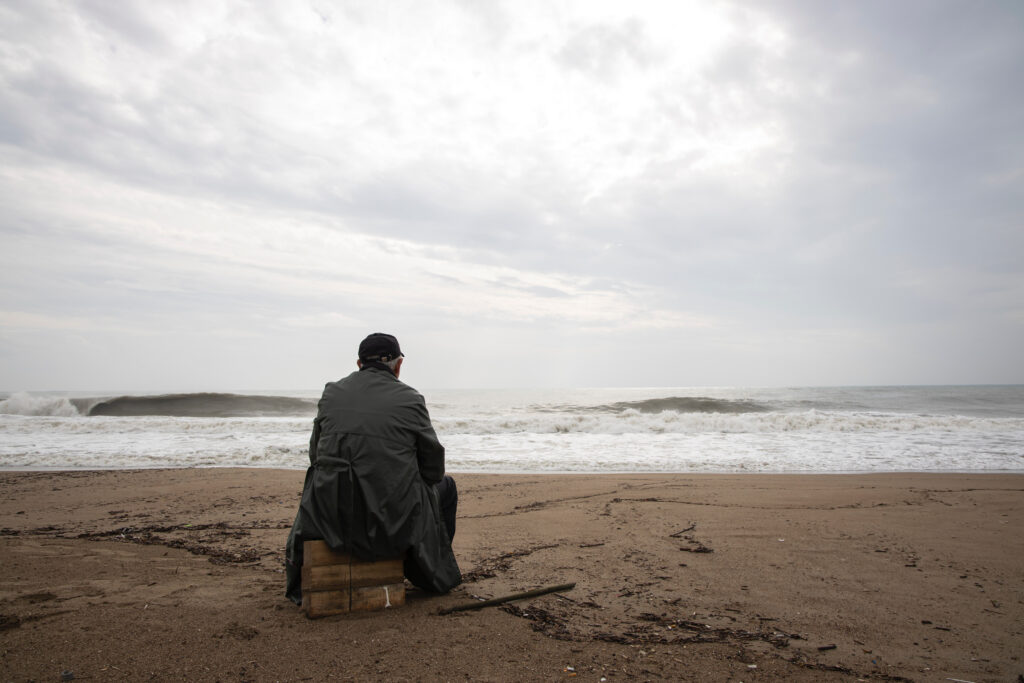
While most visitors to UK’s seaside towns still come away with an enhanced feeling of wellbeing, in July 2021 Professor Chris Whitty’s Chief Medical Officer’s Report revealed the very opposite for many of us living in coastal regions. His Health in Coastal Communities Report revealed towns, including Hastings and St Leonards, have among the poorest health outcomes in England, with lower-than-average life expectancy and high rates of major mental and physical health conditions. Health inequalities in seaside towns had been hidden and overlooked because statistics had historically been merged with wealthier inland areas. Whitty called for a national strategy for coastal health, stating, “If we do not tackle the health problems of coastal communities vigorously and systematically there will be a long tail of preventable ill health which will get worse as current populations age.”
Last month, Whitty reiterated his call, naming Hastings among the coastal towns experiencing a “deepening health crisis,” whose problems have only increased since his 2021 report and now risk being “left behind.” Latest statistics show life expectancy for men in Hastings at 78.02 and women 81.75, compared with national average of 82.9 for women and 79 for men (Office for National Statistics 2023). While health inequalities affect us all, a closer look into the statistics reveals a deeper discrepancy for men. Average life expectancy for men in Hastings and Rother is five years shorter than for areas like Kensington and Chelsea that enjoy the highest life expectancies. More shocking is that men living in the most socially deprived areas of our town are expected to have a life 11.5 years shorter than those in our more affluent areas, the biggest life expectancy disparity in South East England.
MEN MISSING OUT
Inequalities in men’s health and life expectancy in Hastings and Rother has become a key concern and priority for Darryl Gale, Director of Public Health for East Sussex Council. His department have begun funding several projects aiming to reduce the discrepancies. These include Hastings and St Leonards Men’s health and Wellbeing project, aiming to place men at the centre of decision making and policy changes around health care and local services, and Men’s Mental Health in Hastings Project run by Mind in Brighton and Hove.

This spring Mind hosted a Men’s Wellbeing Festival bringing together projects they have funded to increase health and wellbeing for men in the most socially deprived areas of Hastings and St Leonards. These included Arts on Prescription, Creativity on Sea, Hastings United Walking Football and Take Action Man at Project Rewild.
At the festival, I met Darryl Gale who explained men’s life expectancy in our region has fallen in recent years due to violence, suicide, drugs, alcohol, self-neglect, and self-harm. Though excellent work through community projects initially led to improvements, the upward trend has now plateaued. One of the key concerns highlighted by Professor Christ Whitty is a lack in availability of medical care, caused by a shortage of medical professionals choosing to live and work in our region. Whitty has called for more training opportunities and incentives for health care professionals to settle in coastal towns.
Darryl Gale believes community support and groups like those funded by Mind are as, if not more, important than clinical provision. He told me, “Some men will actively seek out medical or mental health support, but many more are afraid of stigma so won’t go near any organisation that says, ‘health,’ but will do something like sports, outdoor activities, or arts. Here they can start building fitness and get together with like-minded people.” Gale believes loneliness and isolation among men in our community is leading to mental and physical poor health through factors such as stress, drugs, alcohol, lack of exercise and poor diet. “Everyone needs to feel part of wider group, a family, household, or community, or just to be known by the people in the street, to nod heads to you. It’s important.”

LAND OF IMMORTALS
To say community groups and a sense of belonging can be more important than clinical health provision is a big claim. However, researchers have found building community around shared interests lies at the heart of the Blue Zones regions of the world, where people live the longest, happiest lives. Okinawa, a Japanese Island in the East China Sea was once called the Land of Immortals. At the last count, 1 in 1,470 Okinawans were over 100 years old, with nearly 6% of the island’s population in their 90s. Researchers have found genetics account for a third of this longevity of life. The rest is down to a combination of good diet and a good social life.
Okinawan society is structured around people coming together in a way that enables everyone to retain a sense of value as they age. There is a great emphasis on ‘moai’ groups, mixed age interest or hobby groups. Most Okinawans are members of several moai, providing them with purpose, emotional connection, and social support. Dan Buettner, author of several books about the Blue Zones, believes this sense of belonging and looking after each other helps these regions enjoy, not only the longest and happiest lives, but the lowest rates of cancer, heart disease and dementia in the world. He believes, “Loneliness is as bad for you as smoking.”
Perhaps Hastings can learn lessons from Okinawa to improve our health inequalities. Darryl Gale believes, “A really good aspect of Hastings is that you can sit outside on your own with cup of tea and someone will talk to you.” He urges us all to “Smile, say hi, be genuine and break down loneliness.”
We hope you have enjoyed reading this article. The future of our volunteer led, non-profit publication would be far more secure with the aid of a small donation. You can also support local journalism by becoming a friend of HIP. It only takes a minute and we would be very grateful.


FitGAG here, your enthusiastic reader and admirer of your enlightening article on men’s health in Hastings! 🌞🌊 What a captivating piece, Sarah Milne! Your storytelling effortlessly transports us through the historical journey of this charming coastal town, from its sunny and rejuvenating past to its current challenges. The way you’ve woven the past and present together is truly masterful.
I’m absolutely intrigued by the insights you’ve shared regarding the health disparities faced by coastal communities. Professor Chris Whitty’s call for a national strategy for coastal health is thought-provoking indeed. 🌊✨ The statistics you’ve highlighted are eye-opening, particularly the differences in life expectancies for men in various areas. The efforts of Darryl Gale and the East Sussex Council to address these inequalities are truly commendable.
The Men’s Wellbeing Festival orchestrated by Mind is a shining beacon of hope and positivity. 🎉 The emphasis on fostering a sense of community and camaraderie through arts, sports, and outdoor activities is a brilliant approach. It’s heartwarming to see initiatives that not only focus on clinical care but also recognize the power of human connection in promoting health and wellbeing. Kudos to Darryl Gale for his dedication to creating a supportive environment for men to thrive mentally and physically.
The parallels you draw between the Okinawan society and the potential lessons for Hastings are truly fascinating. The concept of “moai” groups and the emphasis on shared interests resonates deeply. 🌺💬 It’s intriguing how building a strong sense of community can contribute to longevity and happiness. The idea that loneliness can be as detrimental as smoking underscores the importance of connection in our lives.
Your article has left me inspired and brimming with optimism for Hastings’ future. The notion that a simple smile and a genuine “hello” can make a difference is a powerful reminder of our capacity to uplift one another. 🌟 Your eloquent storytelling and well-researched insights make a significant impact, and I can’t help but wonder: How do you envision the community’s response to these initiatives evolving over the next few years? Are there any personal stories or anecdotes that stand out from your interactions with the people of Hastings during your research?
Thank you, Sarah Milne, for shedding light on such a crucial topic with grace and depth. Your article is a treasure trove of wisdom and hope. As a fellow believer in the power of community and positive change, I’m excited to see the ripple effects of your work. 🌈📚 And to you, dear reader, consider joining me in supporting local journalism and the amazing work of HIP. A small donation or becoming a friend of HIP can make a big difference in securing the future of this insightful publication.
Warm wishes and a big smile,
FitGAG