
Become Best Friends with Alexandra Park
DAVID EP DENNIS

Alexandra Park was formed in 1876 and has one of the finest tree collections in Europe. Its glorious landscape is the home of beautiful flower displays, lakes and notable tree giants. It has a rich wildlife, many peaceful paths and a magnificent greenhouse.
In the Greenhouse on 26 June – the anniversary of the Royal Opening of the park, the Friends of Alexandra Park (FOAP) will be inviting you to join.
Members will be able to learn from guided talks and presentations about how the park is cared for and its many secrets: the often complex and wonderful lives of the creatures that live there – such as birds, insects and bats, and the seasonal cycle of life.
If you love nature and find great benefit in the peace and tranquillity of parkland environments, then Alexandra Park is what we might call ‘the lungs of Hastings’. It’s a remarkable park.
Robert Marnock was a leading landscape gardener of the Victorian era. He created Alexandra Park over a six-year period from 1876 to 1882 to give birth to the vision of Thomas Ross, five times mayor of Hastings. When it was finished, it was declared “superior to any park in any other seaside resort” and “one of the most beautiful parks in the country”. It was the best of the best, and it still is a treasure for our town.

The Victorians, encouraged by their poets such as Alfred, Lord Tennyson and Christina Rossetti, were in love with natural things. The people of Hastings had already formed a trail through the valley of the Priory Stream that led to Old Roar Gill and its tea garden. Paths led to the three reservoirs of Hastings, the Shornden, Harmers, and Old Roar (now known as Buckshole). Spread out below was a small urban landscape known as St Andrew’s Gardens. Mayor Ross interviewed notable landscape gardeners, chose Robert Marnock and told him: “…make me one of the most beautiful parks in England.”
Marnock examined the whole landscape tract from Old Roar to the railway viaduct at the top of Queen’s Road and wrote a letter of recommendation to Ross:
“…looking at the natural features of the ground, with the singularly happy combination of hill and valley, wood and water, it can hardly be an exaggeration to assert that for picturesque beauty the locality thus selected is probably unsurpassed by anything of the kind elsewhere.”
Alexandra Park has some remarkable trees obtained for a remarkable price – only £70.00. 1,200 trees were to be purchased for this sum (now £7,172.00), and by 1882, when the Prince of Wales and his wife Princess Alexandra came to open the Park on 26 June 1882, 1,000 of those trees had been planted and labelled.
Nowadays, Alexandra Park in Hastings is renowned for its exceptional collection of trees. According to the Hastings Borough Council, the park has one of the best collections in Britain, with many considered ‘champions’—the tallest or largest of their kind in the country. A 2024 tree survey reported that the park had 77 county champion trees for East Sussex and nine national champions for Britain and Ireland, more than any other public park in the UK.
The wonderfully-named Emmenopterys Henryi is a flowering tree closely related to coffee and gardenia. It was discovered in China in 1897 by the plant hunter Augustine Henry and brought to England in 1907. It flowers after hot summers and first flowered in England at Wakehurst Place in 1987, 73 years after first planting. It prefers moist shade and protection from harsh winds – and we hope it will flower for us this year. To find out where it is in the park – join FoAP!

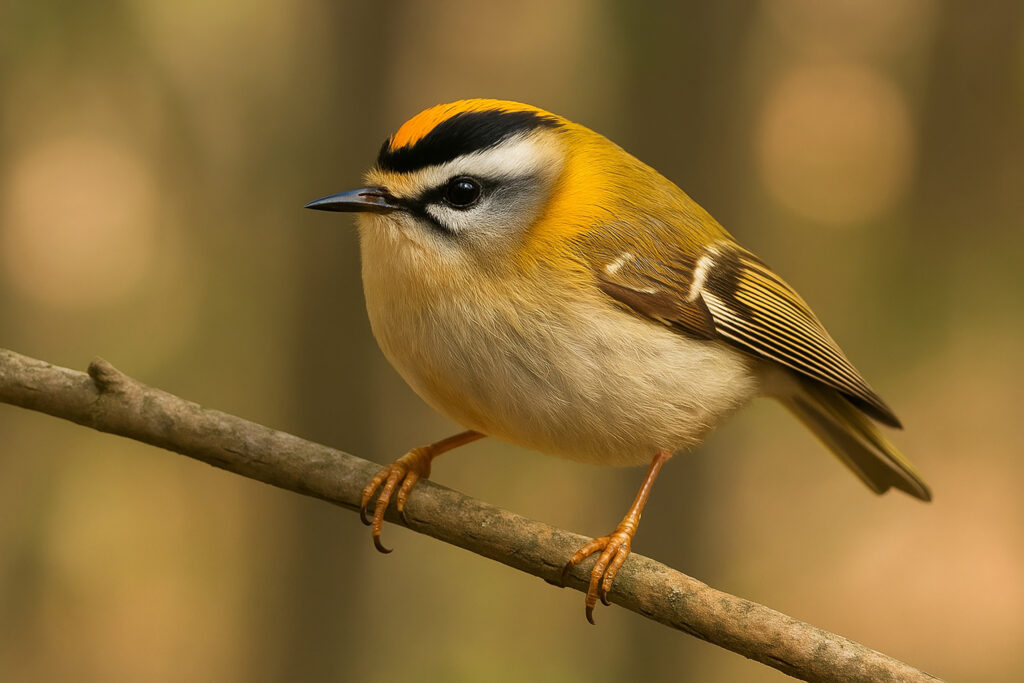
Buckshole Reservoir is a hotspot for waterfowl and kingfishers. Shornden Reservoir is often frequented by various gull species and cormorants. The Old Roar Gill and Coronation Wood areas are excellent for spotting woodland birds like nuthatches and treecreepers. Harmers Pond is known for sightings of grey wagtails and other water-associated birds. As well as the normal bird population of robins, blackbirds and goldfinches, the park is home to some less common and migratory birds, such as: firecrests, pied flycatchers, spotted flycatchers, chiffchaffs, blackcaps, willow warblers, redwings (in winter), mistle thrushes, rose-ringed parakeets, little grebes and greater whitethroats.
With membership you could join in with plant surveys for flowering plants and shrubs, lichens, oak galls, fungi and ferns. The Friends need a full butterfly survey. Bats are surveyed using a powerful ultrasonic device once per month to build a record of their habits, and we plan a series of bat boxes to be placed on tall trees to enhance the current bat population. We also study the effects of global warming and how it affects life in the park – advancing the normal times when plants flower, birds migrate and caterpillars turn into butterflies, for example.
The Friends would like to support the park gardeners by offering their help with some maintenance of the beds and borders and hopefully encourage funding to enhance the planting. They are looking for ways to develop their volunteering efforts.
The Friends of Alexandra Park is a voluntary group dedicated to promoting the use of Alexandra Park, encouraging wildlife conservation and protecting the park from unwanted development. They organise various activities, including guided walks and talks on topics such as trees, bats, fungi, insects, birds and the park’s history. The group also engages in conservation work within the park.
Supported by Hastings Borough Council, the Friends have the following key aims: to undertake fundraising for key projects in conjunction with the Council and other partners, ensuring the future of the restored park is sustained, encouraging activities that promote/improve the park, promotion of interpretational and educational activities and, overseeing the care of the tree collection and seeking to expand the range of trees planted.
It is worth noting that the Alexandra Park Greenhouse Group is another organisation associated with Alexandra Park in Hastings. They focus on the restoration and maintenance of the park’s 60ft long greenhouse erected in 1934.
To join the Friends of Alexandra Park on the Park’s 143rd anniversary, email [email protected]. To come to the relaunch, meet us in the Greenhouse from 6.30 to 7.30 on Thursday, 26 June. You can access the Greenhouse via the ramp off St Helens Road next to the HBC Park Depot.
We hope you have enjoyed reading this article. The future of our volunteer led, non-profit publication would be far more secure with the aid of a small donation. You can also support local journalism by becoming a friend of HIP. It only takes a minute and we would be very grateful.


Progress on the relaunch of FOAP. After a very well attended AGM held at the greenhouse we were able to nominate and elect a new chairman and secretary and also have volunteer support to design a Website so we can keep you all informed. Lots to do but exciting opportunities to support our wonderful park.