
WOH!
A regular space to bring ideas and reflections. We discuss and write together to create awareness & encourage positive change for women and girls. [email protected]
Educating Ourselves About Health
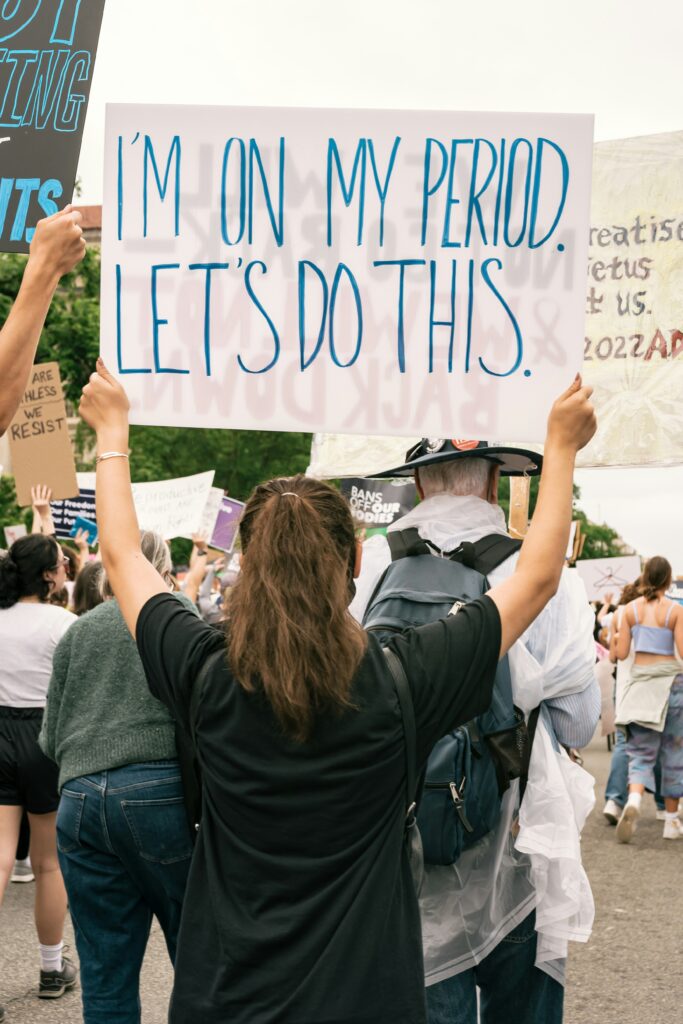
There is still a dismissive attitude to women’s health – Frequently women hear contemptuous comments from male GPs. Someone in our group was told, “I’d put all women from 16 to 60 on the pill” to solve their ‘mood swings’.
Even more worryingly, this trivialisation extends to those in pain with various gynaecological issues. We are hearing that more women are not getting the GP or hospital appointments they need or are attending smear tests and feeling exasperated at a lack of GP follow-up care. Another of our group was told she had arthritis by a female GP and had to fight for a year to get a scan – which found late-diagnosis ovarian cancer. When women experience such dismissal and neglect from practitioners, it is institutional misogyny.
Some women wait too long or give up and don’t complain, resulting in late diagnosis of many chronic conditions. Women GPs are reluctant to call out unethical practice, and “first do no harm” attributed to the Hippocratic oath seems to have ended with the 20th century. How can women take back control of their health and ensure efficient and respectful treatment? It’s exhausting to have to keep ‘pestering’ for appointments and investigation – and worse when you already feel ill.
The Advocacy service (0330 440 9000) is set up to support patients who are experiencing neglect or bad practice. Call them if you are not satisfied with your treatment. It is vital to submit complaints for records and statistics.
Some women we spoke to turn to the internet for advice. Mothers, anxious to ‘get it right’, look outwards for advice instead of trusting their instincts. There are a concerning number of women overusing antibiotics to treat minor ailments or anti-depressants to ‘fit in’ and conform to social expectations. It’s not helped by the fact that, for drug companies, ‘depression is fantastic news!’ Something that they cashed in on post-war when women had to put down their tools and get back in the kitchen.

Menstrual conditions and perimenopausal symptoms are still regarded as an embarrassing ‘problem’, especially in work settings, where women hide their discomfort for fear of humiliation or of losing their job. The increase of hormone-based drugs for perimenopause, an entirely natural life transition, is concerning because the side effects are not clear. In later life, stroke and heart failure are likely consequences, although pharmaceutical companies have no compensation plans for those adversely affected by their drugs.
So how can we support women in need without constantly going down the pathologising route of medication? Joining local support groups is a vital way of connecting with other women and finding alternative ways to stay well: it can be empowering and reconnect us to valuable knowledge we have lost. It’s also a way out of the isolation that exacerbates depression.
The area we need to explore is what is really happening in perimenopause, both psychologically and physiologically. This is a transition into female power and maturity which begins with learning to put your needs first, deciding what you really want, taking steps to take time and agency for yourself – and no longer people pleasing.
Often women have come through years of caring for relatives and children, bosses or customers, and being the one who mops up. This stops with menopause. The symptoms of perimenopause can be very difficult as the body goes into some rebellion of its own. Fatigue and emotional turmoil are common: this is the preparation for breaking out.
There is ancient wisdom, and a collective theory developing among mature, modern women, that the more you stand up for yourself in life, the less severe your symptoms in perimenopause will be. Are there correlating patterns in your life, changes that need to be made? How do you take up space and demand support instead of suffering in silence? When did you last ask for help, and was it given? These are questions worth exploring before taking hormone medication, which can delay the transition considerably. We want to hear your experiences.
What we ask of the new government is to make women’s health a priority in the coming revision of the NHS. We want our Hastings community to be a place of support, creativity, care and diversity. We also want to raise our expectations for a better quality of life for women – which directly affects families and children. If mothers are well and happy, children have a better start in life.

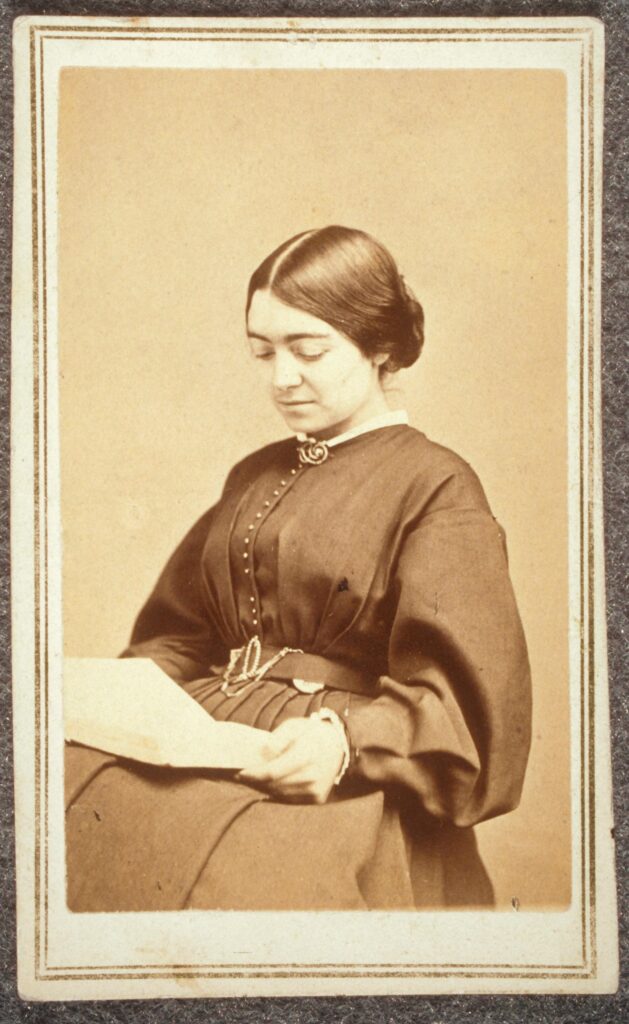
WOMAN OF THE DAY
Mary Putnam Jacobi MD 31 August 1842 – 10 June 1906 (age 63)
During the 1800s, it was an accepted notion that women should be confined to bed during menstruation and that consequently, they were not suitable for education. Mary Putnam Jacobi challenged these prejudices by doing experiments to test this belief. Finding no evidence of change in energy levels during menstruation, her work supported the move to give women access to education.
We hope you have enjoyed reading this article. The future of our volunteer led, non-profit publication would be far more secure with the aid of a small donation. You can also support local journalism by becoming a friend of HIP. It only takes a minute and we would be very grateful.

Leave a Reply