
Charity shops
From humble beginnings to an important part of the high street
By Rachel Holtom
There are currently well over 11,000 charity shops in the UK, employing around 26,000 paid staff and 233,000 volunteers, making them an incredibly important part of town centres, including both Hastings and St Leonards.
How did they start?
Modern charity stores didn’t appear until after WW2, the first being Oxfam, which opened its first shop in Oxford in 1947, as the result of an appeal to assist with poverty in post war Greece. From this humble beginning Britain’s charity shops now rank alongside the major retail chains as huge enterprises in their own right.
Why are charity shops so important?

With the boom in large out-of-town shopping centres, online shopping and the effects of Covid, charity shops have become a lifeline to town centres, offering assistance to struggling families by allowing them to affordably clothe children and furnish homes. Arguably just as importantly, they provide a lifeline for people who’ve had to leave work, helping them back into employment by rebuilding their confidence and self-esteem.
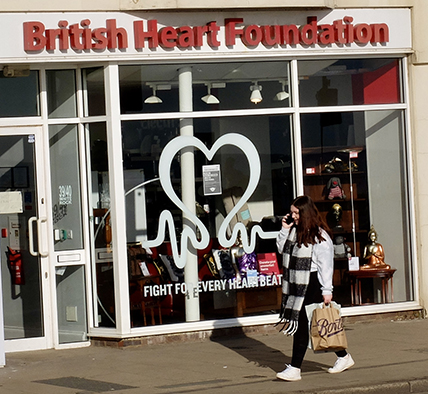
CREDIT: Dave Young
Environmental bonus
Charity shops are hugely important in reducing emissions and pollution. Few people realise that until as recently as the 1990’s most new clothes bought in Britain were made here too. In fact, from the Industrial Revolution onwards, textile manufacturing was a booming part of the British economy. Now however, only a tiny fraction of our clothes is made here. The vast majority are imported from developing countries, such as China, Indonesia, India and Bangladesh. Multinational companies like Primark, Gap and H&M chase cheaper and cheaper deals, and there has been a reduction in health and safety. As well an appalling cost to lives, textile production produces more CO2 than international flights and maritime shipping combined.
While many people think of cotton as pure and natural, it uses more pesticides than any other crop in the world. It’s also the thirstiest, using around 2,700 litres of water to produce enough cotton for one T-shirt. This figure is hard to grasp until you realise it’s enough for one person to drink for 900 days. By buying used clothing you are supporting struggling charities, helping to reduce pollution and offering support to people wanting to get back to work. The average charity shop employs 1.6 paid staff and 20 volunteers.
UK charity shop sector
The largest charity shop in Britain is Cancer Research in Stevenage, and British Heart Foundation (BHF) employs most staff with 3,500 paid staff and 18,00 volunteers. BHF also operates the biggest online charity shop in Britain, housed in a 21,000 sq ft warehouse in Leeds.

In East Sussex, Bexhill reigns supreme in terms of the number of charity shops, 19 – serving a population of 43,500 people. Hastings also has 19 shops but more than double the population. Interestingly Heathfield which
is tiny (population 11,000) has eight, almost all of them in a row along the High Street and well worth checking out.
As well as clothes, charity shops sell many other types of goods including electrical appliances. This also reduces waste and creates more employment for the skilled people who mend and refurbish the items. Oxfam has around 70 shops selling mainly books and several charities sell furniture.
Coping with Covid
The virus and resulting lockdowns affected charity shops badly, volunteers have been worried about face-to-face contact with the public and until quite recently Oxfam reported being down by 40% on volunteer staff numbers. Shops have also been swamped because of lockdown-induced massive clear-outs. Some shops now only take donations on one day a week, others “no more at the moment please.”
Queen of charity shops
With Hastings and St Leonards among the top 20 most deprived towns in Britain, charity shops are incredibly well supported and a vital service for many families No-one embodies this service more than Ronelle, AKA ‘Ronnie’ Mortimer. She’s worked in the Shelter shop in London Road, St Leonards for 20 years and is quite simply a marvellous mum to many, many people.

Ronnie Mortimer
CREDIT: Rosie Holtom
Ronnie has had an extra-ordinary life, which has made her into the amazing person she is today. Born in Swaziland she came to St Leonards in 1992 and says, “I went into Shelter because I was fascinated by the idea of charity shops, never having been in one before.” She continued visiting and one day took in a cake she’d baked for them, at the same time plucking up the courage to say “I’d love to help out here”.

Quickly gaining the confidence to work on the shop floor, Ronnie admits, “I was way too feisty.” She’d ask people to leave if they didn’t respect the shop, especially children who she told “This isn’t a zoo.” Fortunately, when
it was suggested she oversee the donations, Ronnie quickly realised she had found her niche.
She says that she can touch goods and intuitively know they will sell. When asked what the best thing about being in the shop is, Ronnie replies: “Giving everyone a chance”. An illustration of this is that when people bring donations of food into the shop she and the other staff make up food parcels, which they then discreetly give to the families they know most need them.
Ronnie describes the shop as “A magic place. If someone asks for something, I tell them to come back later and meanwhile what they’ve requested often comes in.” “We get quite a lot of naughty things, including a vintage vibrator, but just have to throw them away”. Sometimes if someone’s partner misbehaves they bring in their possessions and tell the staff to sell them.
St Leonards Shelter shop’s best-ever day made nearly £600, but for Ronnie the most important thing is to be able to listen. So many people who come in just want to have a chat, “I could listen all day, I love their stories and when they call back in I can hear it all again”.
We hope you have enjoyed reading this article. The future of our volunteer led, non-profit publication would be far more secure with the aid of a small donation. You can also support local journalism by becoming a friend of HIP. It only takes a minute and we would be very grateful.

Leave a Reply