
HYP: Remi Duangphrachanh
I am the Second Generation
Rémi Duangphrachanh, 29
Migration brings visible and invisible change. New populations come and settle, their stories are not told or can be dismissed. For each family that migrates to a new country, there is a different journey. However, there can be a common thread: raising a child far from home.
These children are the new faces of England. Growing up is a challenging process, building your identity under the influence of your family, peers and the dominant culture. For those who are seen as minorities and/or immigrants, what is their actual identity? How do they perceive themselves in regard to integration and their heritage?
As a second-generation migrant myself, I have started to gather the stories of young people from Hastings and Rother who share this experience. Their stories of doubts, conflicts and self-affirmation echo mine. We are the Second Generation.
Alex, 17, lives in Hastings
Greek-Albanian
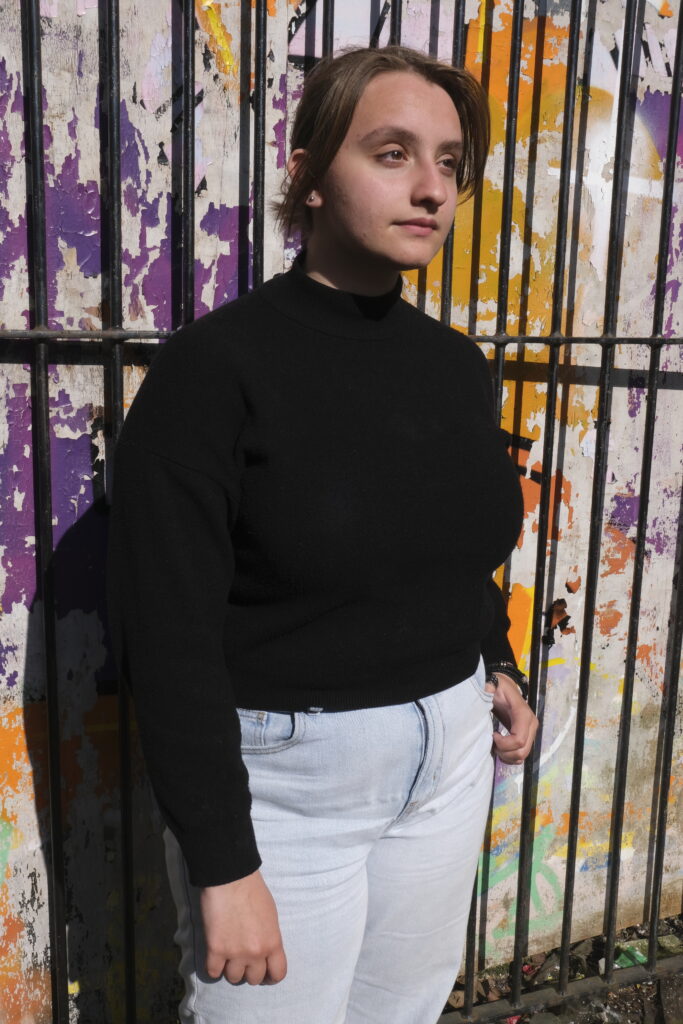
I came to England in October 2016, I was 12. My father, who is Greek, arrived a few months before us to work in construction. I was excited to live here at first, but my first months in Hastings were spent in a hotel away from education. I recall being fluent in English by the end of year 7.
Since then, I’ve had responsibilities for my parents and my brother. I was, and still am, in charge of all administrative processes. I secured pre-settled status for my whole family, necessary for any EU citizens to live and work legally in the UK after Brexit.
I felt I was doing this for the family. However, in recent years, I’ve started to push back my cultural identities: Greek and Albanian. There was a pressure upon me that I didn’t know at that time. To me, there is the immigration idea that you have to help. Among us, second-generation immigrants, we have a collective understanding of struggles.
I was given responsibility for those who are supposed to care for you.
Slowly, my resentment towards my family grew. I resented the way I was used by my parents and being treated differently to my brother. It got to me. I see myself as the daughter that they need but not the daughter they want. However, I am grateful for all the sacrifices they have made for my brother and me.
I consider myself as half-and-half, Greek and Albanian. My cultural experience made my identity and the person I am today. Living in the UK has enabled me to learn more about diversity. I’m grateful to have choices about my life and beliefs – I enjoy being on this journey of self-awareness. I’m also trying to figure out if my aspirations are actually mine or my parents’ dream.
I believe that my upbringing has made me more prepared and better off than my peers. The word ‘responsibility’ remains a big part of my identity. I was raised to be this way – I had no other choice. I didn’t have the choice to be a child. I lost this choice because I’ve always had to be an adult.

Exo, 18, lives in Battle
South Sudanese-Congolese
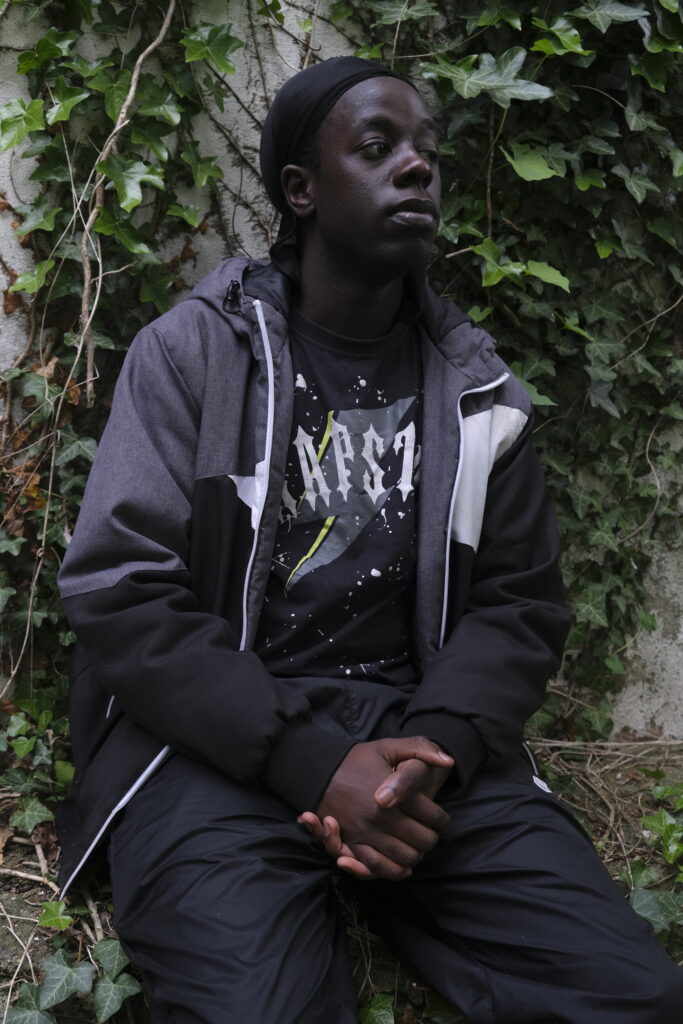
I was born in Egypt and lived there until my mother decided to move to England in 2010. Before settling down in Battle, my mother and I had tumultuous years moving from one accommodation to another. I recall being the first Black person to join my school in Crowhurst.
As a child, I enjoyed learning about others and seeing what is beyond. I don’t feel attached to one cultural identity. I’m not tied to a specific culture. At home, I feel South-Sudanese, my mother’s heritage, but when I am outside, I see myself as being more an outsider of the cultures.
At my secondary school, there wasn’t much diversity. These years were marked by developing bonds – which I hadn’t done before. Making friends was daunting but helped me to be self-aware of who I was as a person. I appreciated that before I hadn’t had to develop relationships because of my close family.
I think that I don’t have a sense of duty to live through my cultures as I don’t know if this would align with who I am. I consider the different sides of me. Outside with my friends, I’m an extravert. However, at home, I’m more introverted and communicate with a mix of English and Arabic. I can understand Arabic but without speaking it fluently, I’m not comfortable speaking it with others.
My aspirations are in conflict between my ideals and the expectations of my family. I recall telling my mother that I wanted to be a doctor, which I realised was not my dream. I never really communicated about my own aspirations and would rather focus on who I am as a person.
I have respect for my cultural background. However, I can’t see myself being forced to do the stuff or subscribe to the ideas that my mother has grown up with. I want to have the freedom to choose to have different options.

Hiro, 25, lives in St Leonards-on-Sea
English-Japanese

I was born in Japan. My dad is Japanese, and my mum is English. They divorced. She got custody. In 2008, there was an economic recession. My dad lost his job and my mum struggled to find one. She couldn’t really speak Japanese. As she didn’t have a support network, we moved to England with my twin brother.
With hindsight, it was weirdly traumatising. I didn’t want to leave and lose my friends. At first, it was confusing being in Hastings. It was so different from Tokyo. I remember that people were nice and accepting. When I look back, I was pretty lucky that I could speak the language. But I always thought about my friends that I missed.
In Japan I was seen as British, but here in England I was Japanese. Recently, I had a bit of an identity crisis. When I went back to Japan a few years ago, I was treated as a foreigner. At the same time, to some people you are not White if you have something else in your blood. You can be both, English and Japanese, at the end of the day when people flip your identity over.
It doesn’t really bother me now. I’m as much English as Japanese. I still keep the connection with my Japanese identity through food, animes, and mangas. My grandad used to send over manga and sweets so I could have a bit of home in England.
I can still speak and read Japanese. My twin brother can’t. We’re not the same. He is struggling with his Japanese side because of his lack of connection and his resentment of my dad. We have never really been in touch with him. We tried to, but our dysfunctional relationship doesn’t help to make the connection.
I want to be happy; I don’t know what that means but I want to figure this out. Being happy with yourself is a constant process, like finding your identity. I don’t have great goals. I want to exist.
We hope you have enjoyed reading this article. The future of our volunteer led, non-profit publication would be far more secure with the aid of a small donation. You can also support local journalism by becoming a friend of HIP. It only takes a minute and we would be very grateful.

Leave a Reply