
HYP: Michael Amos
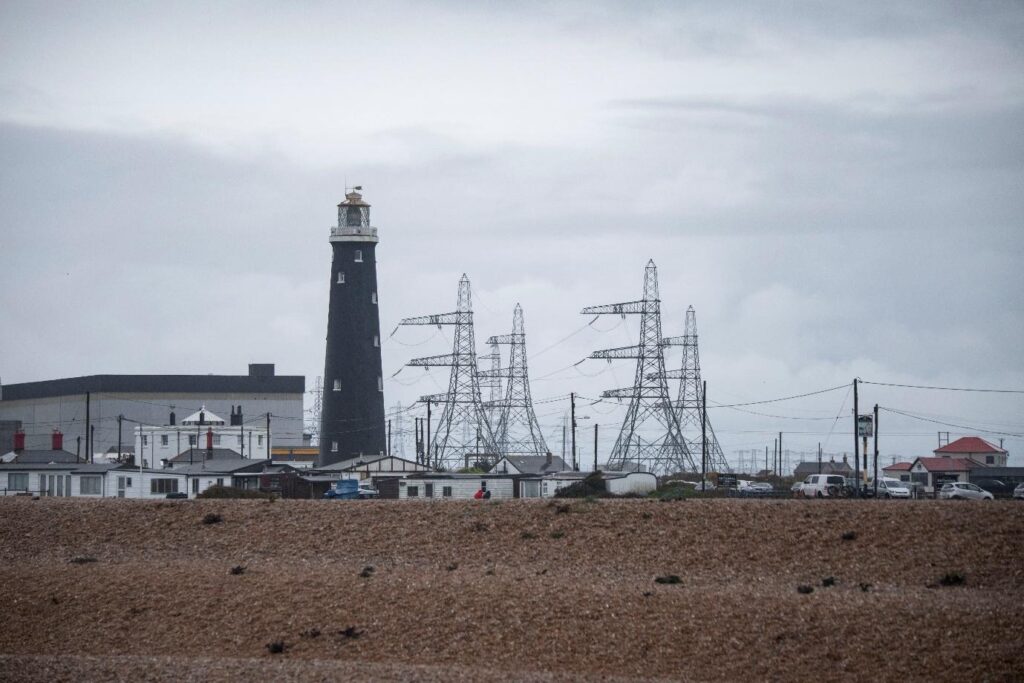
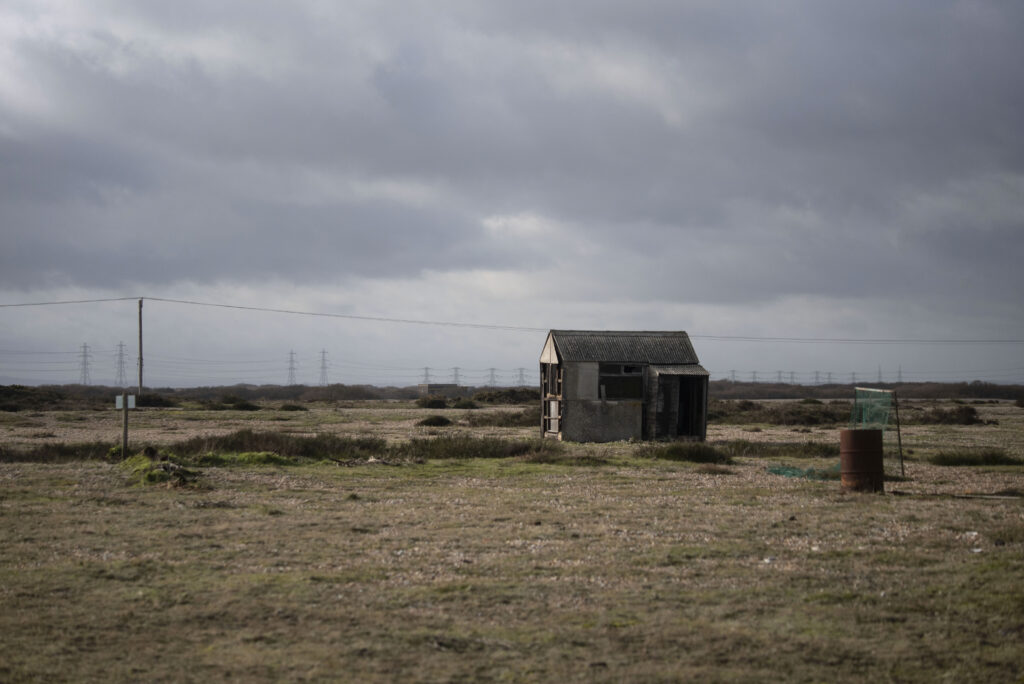
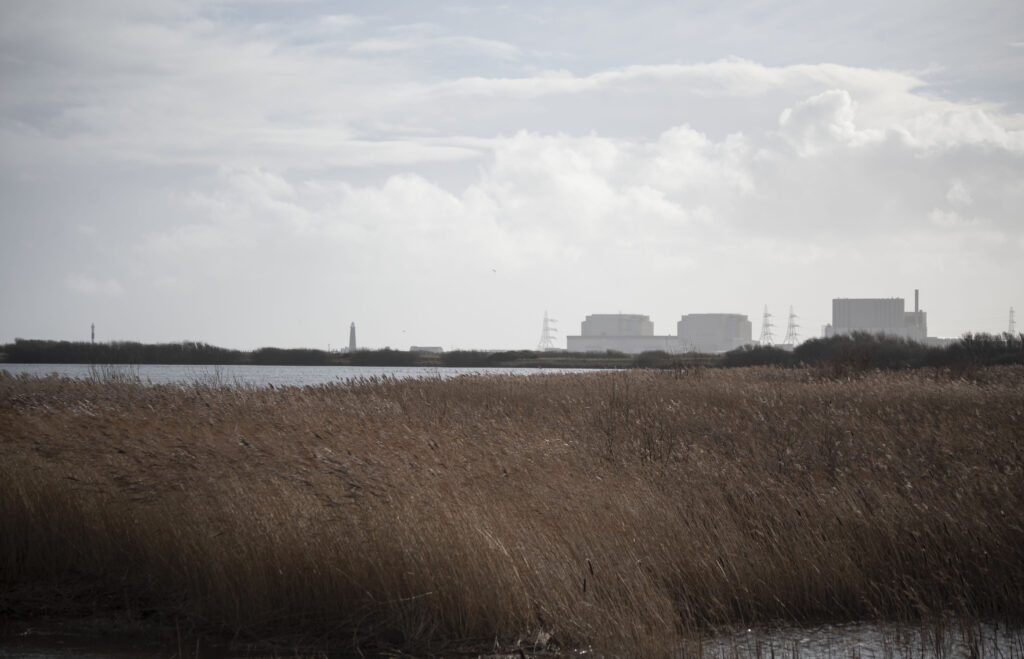
Dungeness is, without a doubt, one of Britain’s most extraordinary places; with its vast shingle peninsula, abandoned structures, two lighthouses and a nuclear power station, it has much to offer those who venture here. It is a designated National Nature Reserve too and for good reason; a third of Britain’s plant species can be found here, and the plentiful bird life on the peninsula makes it a popular spot for birdwatchers. But in the sea offshore at Dungeness, there is an elusive and often overlooked animal that calls these waters home.
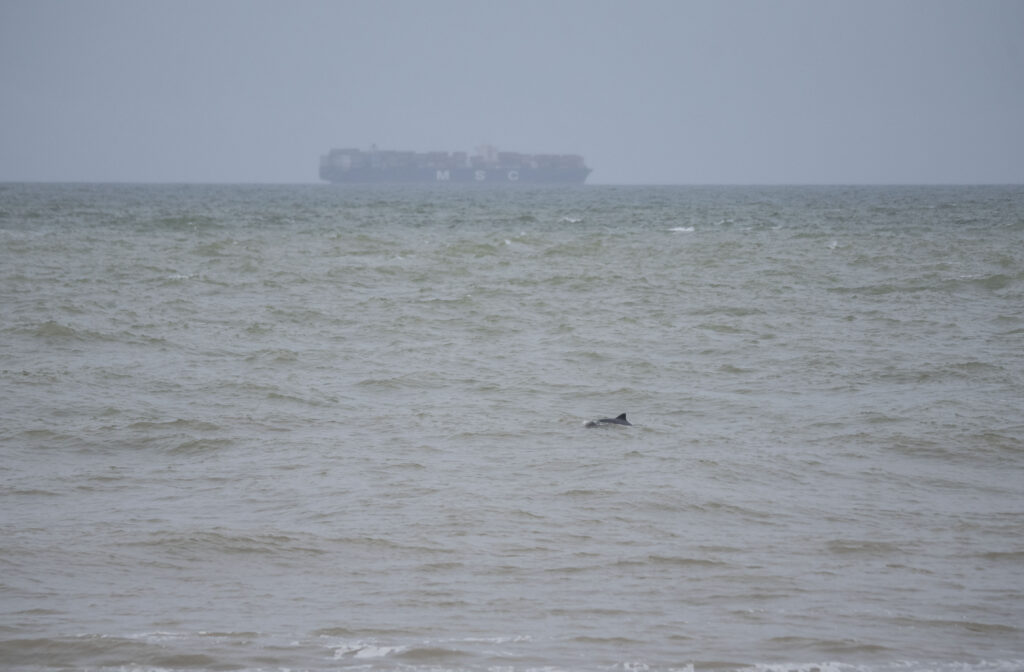
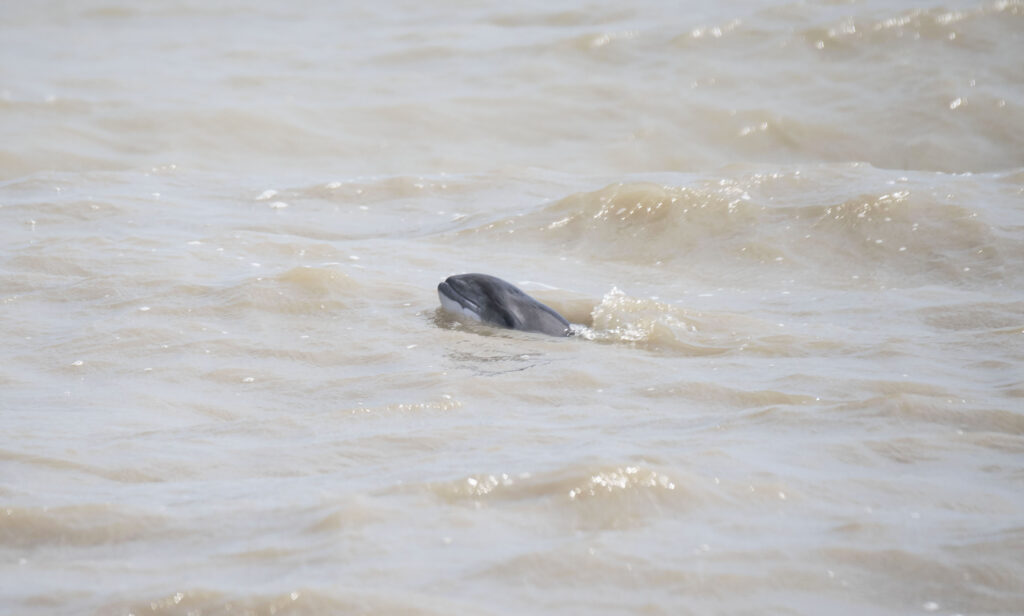
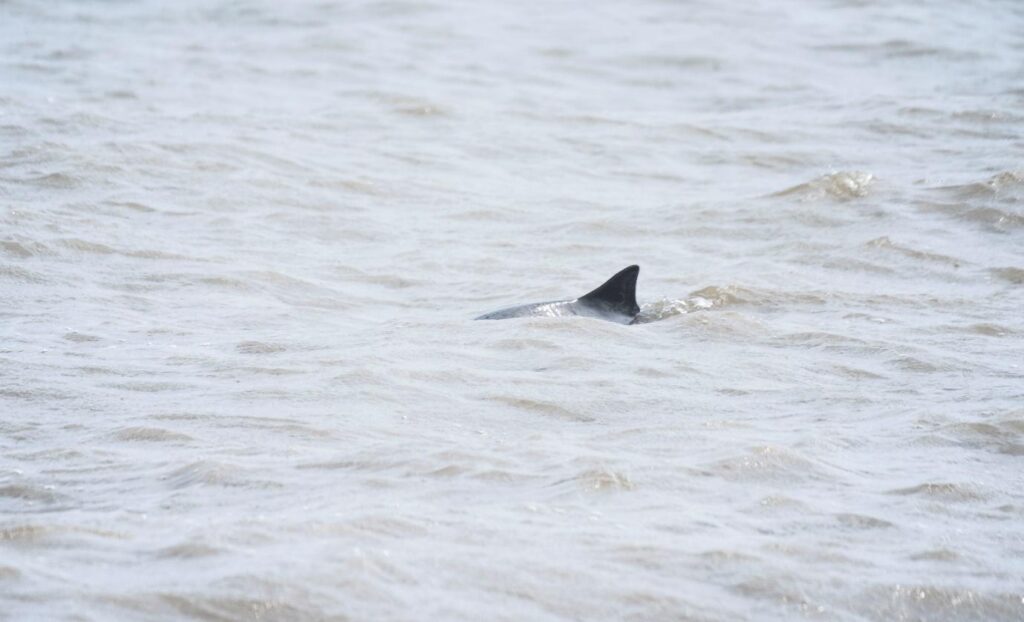
It was a sunny spring day in April 2014, and I was on a visit to Dungeness with my family. We were walking along the famous shingle beach and were about to head home, when I suddenly noticed something pop up in the sea offshore. This was no seabird coming to the surface after a fishing trip beneath the waves, this was something else. The animal then reappeared – a small, triangular dorsal fin broke the surface of the water before submerging beneath the waves. It was a harbour porpoise! I had heard porpoises could be seen here, but never did I expect to see one myself. However, since that first encounter all those years ago, porpoise sightings have become a regular occurrence on nearly every single visit I’ve made to Dungeness since then.
The harbour porpoise is the smallest and most abundant species of cetacean (the name given to the whale, dolphin and porpoise family) in UK waters. Unlike their playful cousins, the dolphins, porpoises are far more secretive and shy; typically, the only view you will have of a porpoise is a brief, one-second glimpse of a triangular dorsal fin breaking the surface. They tend to avoid boats and are generally not acrobatic, only rarely leaping out of the water. Their unobtrusive nature means they can only be seen in the calmest sea conditions as their fins are easily lost amongst choppy waves during rough weather.
The Dungeness Bird Observatory records porpoise sightings on an almost daily basis throughout the year, particularly in spring and summer. Numbers seen in one day have regularly reached double digits in recent years, with a record count of 88 animals on a calm day in April 2018 – not bad for an area many people consider devoid of marine mammals! In addition to the porpoises, both common and grey seals are recorded here on a regular basis as well. Even bottlenose and white-beaked dolphins have been seen here on several occasions in the past few years. You would never think that this amount of marine life could thrive in such a busy shipping lane, yet other parts of the eastern English Channel have seen a number of interesting sightings this year too, including a minke whale off Eastbourne and a tail-slapping humpback whale off Dover.
So, what could it be about Dungeness that makes it so enticing for the porpoises? When looking at maps showing water depth in the sea just off Dungeness, it is noticeable that there is a sudden drop in depth right to the south of Dungeness Point, where the seabed changes from 5 to 25 metres deep over a distance of just 150 metres. Other porpoise hotspots in the UK, including the west coast of Scotland and the north-east coast of Jersey, also have similar sudden drops in water depth in certain parts. Deep water close to shore is known to create upwellings, when currents force water up from the seafloor and, in turn, nutrients are stirred up from the deep. These nutrients then support many organisms at the surface, creating an ideal feeding ground for a variety of animals.

This could very well be a reason why porpoises occur in such abundance at Dungeness. However, since no formal scientific studies have been carried out on the porpoises here, this is only speculation. For many years, the presence of porpoises here was completely unknown by many, though more people have begun to notice them in recent years, with leaflets and info boards at Dungeness now mentioning their presence.
The lack of scientific research on the porpoises at Dungeness means it is not clear what impact local environmental factors may have on them. It is, of course, well known that there is a nuclear power station located here in extremely close proximity to the sea. While the power station is currently being decommissioned, this is a process that will take several years to complete and excess warm water and sewage is still being pumped from the power station into the sea. One would immediately think that this would have a negative impact on the local marine environment. But, very strangely, the warm water and sewage outfall creates something of an oasis for gulls, with hundreds being attracted to the main outfall area known by local birders as ‘The Patch’. The impact this warm water and sewage outfall may have on the porpoises is unclear. There is the possibility that this huge amount of outfall into the sea could be something that harms them, or, conversely, as with the gulls, could it even be a potential reason as to why porpoises are drawn here in such high numbers? Again, with the lack of scientific research, this is only speculation.
With the Strait of Dover being the busiest shipping lane in the whole world, there is no doubt that the porpoises here are vulnerable, possibly more so than any other porpoises in UK waters. If formal scientific research was conducted on the porpoises here, it could lead to a protected area being created for them. After all, Dungeness is clearly more than just a feeding area for these curious animals and with such large gatherings, it would be possible to study their mating behaviour. It is therefore essential that this little-known population remains in good health.
Michael Amos, 22, michaelamosphotography.com
Gallery



We hope you have enjoyed reading this article. The future of our volunteer led, non-profit publication would be far more secure with the aid of a small donation. You can also support local journalism by becoming a friend of HIP. It only takes a minute and we would be very grateful.

Leave a Reply