
The Way the Money Goes
As the Chancellor announces an extra £29 billion a year for the NHS, KENT BARKER asks whether any of that money should be spent on hefty salary increases for heads of Healthcare Trusts and wonders if perhaps taxing the rich might be better for society and the exchequer
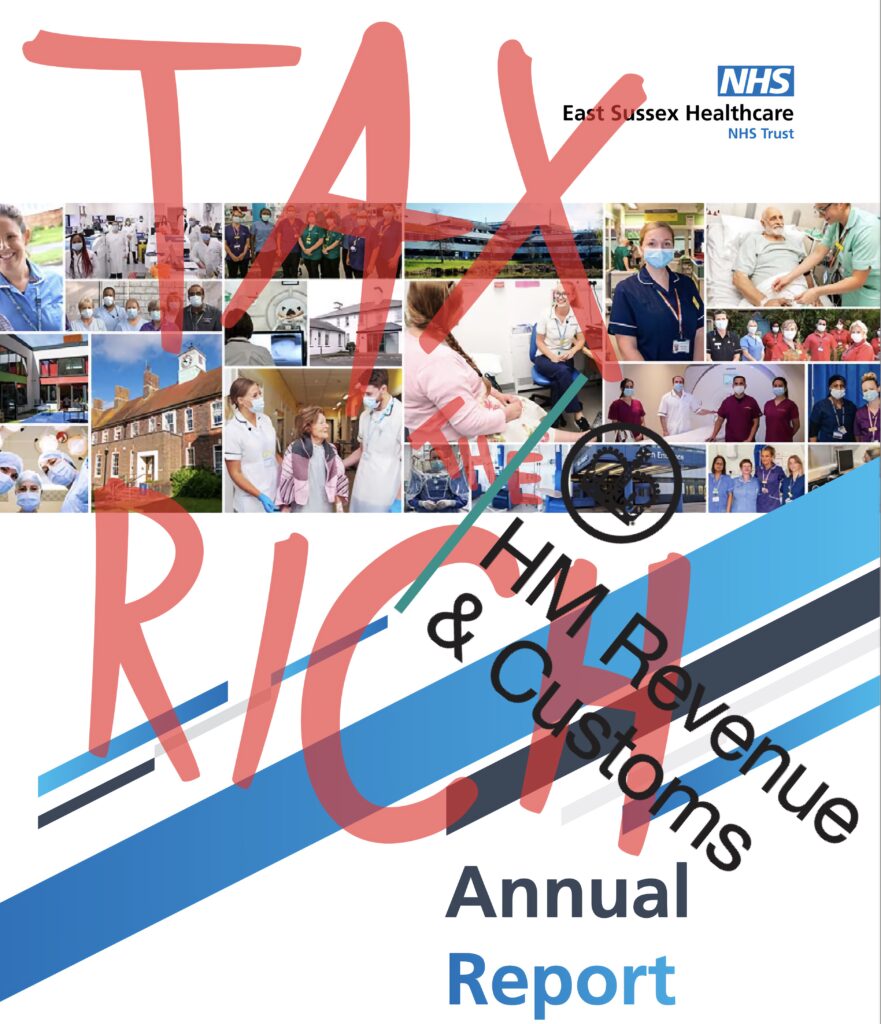
I’m sure that all in Hastings will be reassured to know that the outgoing head of the local Healthcare Trust got a £20,000 pay rise in the last financial year. In percentage terms it wasn’t massive, just around 10%. But when your salary goes up to £220,000, percentages are a bit academic. I have no reason to doubt that Joanne Chadwick-Bell was doing a fine job at the Conquest and at Eastbourne District General hospitals, even when patients are warned they may have to wait up to four hours at A&E, and it could take over a year for a first Ear Nose and Throat outpatient appointment.
Ms Chadwick-Bell’s remuneration was not that excessive in NHS terms. A recent report showed that 279 senior officers were being paid between £200,000 and £300,000 a year, while 1,694 were receiving more than £100,000 in total remuneration. 17 got more than £300,00 and a total of 512 senior NHS managers had higher salaries than the prime minister.
Curiously, the figures come from the right-wing pressure group, the Tax Payers’ Alliance. Their policy analyst Shimeon Lee said: “Taxpayers will be appalled that while NHS patients face prolonged waiting lists and dismal A&E performance, hundreds of senior managers are pocketing six-figure pay packets. No one disputes that frontline staff deserve decent pay, but this rich list shows that there are sky-high salaries for senior bureaucrats, many in underachieving trusts, that are impossible to justify.”
These Salaries are Massive
The thrust of this statement seems in direct conflict with the usual right-wing mantra that, to attract top staff, you have to pay huge salaries. The argument runs that only the best, brightest and most able managers will be able to reduce waiting lists and improve A&E performance, and they will only be on board if paid massive amounts. And relatively speaking, these salaries are massive. 43% of adults in Britain don’t even earn enough to pay income tax – i.e. less than £12,570 a year. The bottom 10% of those who do pay tax earn less than £23,000, and the average annual salary of all full-time employees is £37,430. Ms Chadwick-Bell earned that amount in just 44 working days. It would take the average worker 1538 days to earn her salary.
It’s even worse when it comes to top bosses in the private sector. The median earnings of chief executives of FTSE 100 companies is £3.6 million a year. So it takes them just 34 working hours to rake in an average worker’s salary.

More Billionaires in Britain
It’s not just earnings that are vastly unequal, it’s wealth too. If you include possessions and savings in the equation, the wealthiest 10% of Britons each have at least £1.2 million in assets, while the bottom 10% have less than £17,000. And if you take liquid assets: i.e. wealth not tied up in property or possessions, the UK has the third highest percentage of millionaires in the world – more than 3 million of them, and there are currently 156 billionaires in Britain – the fourth highest number in the world – and an increase of nearly a thousand percent over the past 35 years.
Ignoring for a moment whether any individual actually needs earnings of millions, or even hundreds of thousands a year, or whether it is morally right for one person to earn 96 times more than their fellow citizen, there is the question of whether it is either good or functional for society. The libertarian right would argue that it is aspirational. Seeing a billionaire move into the neighbourhood will motivate me to work harder which will benefit society at large. But the ‘trickle-down’ theory of economics has been largely discredited. The super rich don’t spend their money, they keep most of it hidden offshore or invested in bond markets or hedge funds. Much better for society if it is spread around more equally, bringing tens of thousands out of poverty and contributing to the exchequer through direct and indirect taxes.
Tax the Rich
The pressure group Tax Justice UK estimates that a tiny additional wealth tax of just 2% o individuals with assets of more than £10 million would raise a whopping £10.2 billion a year. And equalising rates of taxes between earned and unearned income (ie stocks, shares and other assets) would raise nearly £17 billion. But why stop there? Currently there are just four income tax bands: below £12,570 where you pay 0%; £12,571-£50,270 where you pay 20%; £50,271 – £125,140 where the rate is 40%; and over £125,140 where the rate is £45%. Long gone are the days where there was a marginal supertax rate of 95% which the Beatles so unreasonably railed against on their Revolver album. But surely we could bump up the rates a bit? Leave the zero-rate band by all means, and perhaps the 20% rate for now, but anyone earning over £50k a year could surely shoulder a bit more of the burden. Say we increased their marginal rate to 45% and increased the top rate to 50%? Don’t forget that wouldn’t mean someone earning £150,000 a year would pay 50% tax on all of it. It’s a marginal rate. So the first £12,570 would be tax free, the next £37,700 would be taxed at £20%, the next £75,000 at 40%, and only the last £25,000 would attract the top rate of 50%. Nine of our former EU partners have top rates above 50%, including France, Belgium, Spain and Sweden.
Why Pay Lineker over £1m
The argument is that higher taxes will mean an exodus of creative and entrepreneurial talent. This is disputed by Tax Justice UK: “Most wealth holders who live in the UK have ties here, want to be here, and want to contribute as citizens. Tax levels are a minor factor in their decision to relocate in comparison to factors such as family and social ties, schooling, and overall economic stability.” The same arguments surely apply to income levels. Did the BBC really need to pay Gary Lineker £1.35 million of license-payers’ money to retain him? Couldn’t someone else have done the job just as well for a fraction of the cost? I don’t suggest for a minute that Joanne Chadwick-Bell was not a top class chief executive for Sussex Healthcare, but surely there would be other equally able candidates if the job paid half the £220,000 that she was receiving from OUR taxes. She now heads Walsall Healthcare Trust at an undisclosed salary. Her successor, Jayne Black, was getting almost £200,000 a year at her previous post – Medway NHS Foundation Trust. I doubt if she will have taken much of a pay cut to come to East Sussex.
We hope you have enjoyed reading this article. The future of our volunteer led, non-profit publication would be far more secure with the aid of a small donation. You can also support local journalism by becoming a friend of HIP. It only takes a minute and we would be very grateful.

Leave a Reply