
Inseminating an Intelligent Artifice
ROBIN HOLTOM admits to some juvenile confusion concerning the facts of life
I was living on a small dairy farm when I first heard the term AI. At the age of 10 I witnessed a vet pulling on large rubber gloves and pushing his hand inside a cow for reasons which seemed entirely obscure. Eventually it was explained to me that this was how baby cows were made! It was known as “AI” or Artificial Insemination, and it was very modern. I embraced this information with enthusiasm as it supplanted my previous rather vague ideas of reproduction.
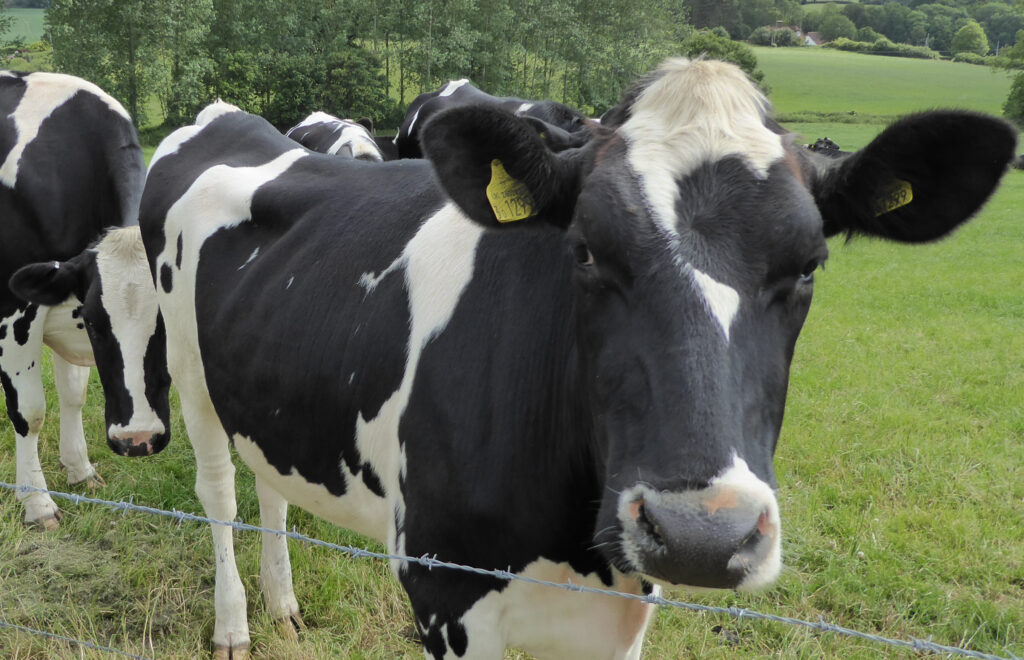
In fact, for a while I gained considerable kudos among my friends for illuminating them too. To their admiration, I announced that babies used to be produced by a rather messy process called sex, but our generation would be relieved to know that this unhealthy procedure was now redundant. I explained to the rapt attention of my friends that now when a man and woman wanted a baby all they had to do was ring a vet to come and make use of this amazing modern AI.
As I grew up, I realised that the messy and bewildering process of creating babies and maintaining the circumstances for offspring to flourish was just a tiny bit more complicated, not to mention considerably more interesting, than my previous earnest and over-simple conviction allowed.
Today, of course, AI is more often associated with Artificial Intelligence than Artificial Insemination. There are, however, some similarities. Not least is the overconfidence that today’s advocates proselytise AI rather like the cockiness I had shown as a ten year old.
Perhaps the particular characteristic they have in common is ignorance. This ignorance is combined with a need to make an impression and gain approval – and of course money. Just as my immature self claimed that our new generation would be spared unhygienic and unnecessary sex, so we are asked to believe that Artificial Intelligence will simplify and accelerate everything that is currently unnecessarily complicated and slow.

I must confess that I am not an early adopter of technology. I am not impatient to embrace modern gadgets. But I do try. Some years ago I started to send my self-assessment tax return online instead of by post. Unfortunately, this year my computer refused to recognise my Unique Tax Code. I phoned HMRC for a paper Tax Return in early January and went through a number of conversations with helpful and sympathetic humans. I also sent many letters which had no response at all except automated replies threatening a series of escalating fines. Eventually I received a paper tax return at the end of March. The system seemed reluctant to risk any normal human response. It seemed to be unable to deal with the elderly incompetent person I felt I was in danger of becoming. I did eventually appeal the fines successfully, but what is clear to me is that highly automated systems fail to connect with human beings – both those who are served by it and also those human beings who serve it.
Now I wonder, did that inseminated cow of my youth perhaps feel some important direct contact had been missing?
We hope you have enjoyed reading this article. The future of our volunteer led, non-profit publication would be far more secure with the aid of a small donation. You can also support local journalism by becoming a friend of HIP. It only takes a minute and we would be very grateful.

Leave a Reply