
Petitionto Ban Bio-Beads
Hastings & Rye MP Helena Dollimore has presented a petition to Parliament with 9,915 signatures, calling for an end to the use of plastic beads in wastewater treatment.
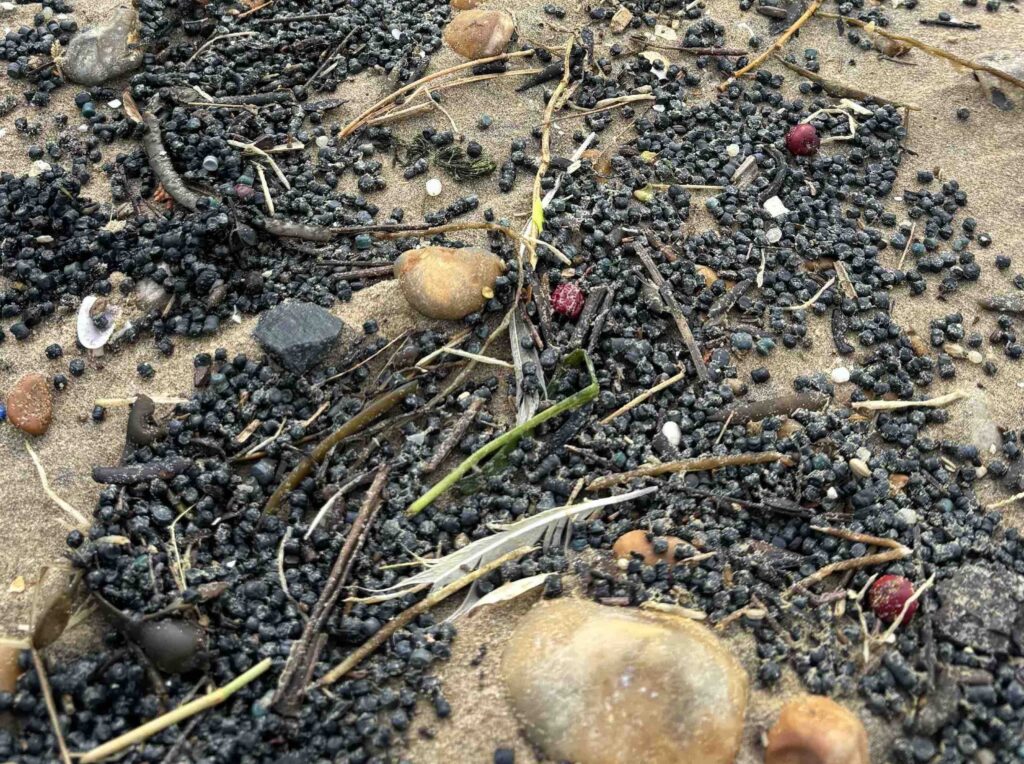
The MP’s campaign is backed by Sussex Wildlife Trust who manage Rye Harbour Nature Reserve. It follows a major pollution incident last November in which millions of plastic beads were released from Southern Water’s Eastbourne Wastewater Treatment Plant, washing up on Camber Sands, Rye Harbour Nature Reserve, and all along the South Coast.
The plastic beads are harmful if swallowed by birds, fish and marine mammals, who mistake them for food.
In an emergency residents’ meeting chaired by Dollimore following the first reports of the beads, senior Southern Water bosses admitted that the use of bio-beads was an outdated technology that only older plants use. The water company agreed to pay for a clean-up operation, and for marine surveyors to assess the damage to marine life, as well as funding a long-term programme of nature restoration in the area.
Henri Brocklebank, Director of Conservation for Sussex Wildlife Trust says: “Rye Harbour Nature Reserve is internationally important for its birds, with species travelling thousands of miles to feed and breed here. Bio-beads are small and buoyant, not dissimilar to many of the food items these birds are searching for. The impact of bioplastics accumulating in the digestive systems is well documented, but the effects of any contaminants that could be released in the acidic gut systems of these birds are far less understood. The removal of the bio-beads from the environment is paramount, but I fear that our grandchildren will still be finding them in years to come.
“There is only one way to guarantee that we never have a spill of bio-beads again. That is to stop our wastewater treatment works from using them. They are an old and redundant technology, and we must see their use ended swiftly.”
In the meantime, Southern Water issued a press release last week stating that it has delivered “early, measurable progress” in a £1.5bn Clean Rivers and Seas Plan, which it claims has already prevented more than 700 storm overflows across the south-east region (Kent, Sussex, Hampshire and the Isle of Wight) in the last 12 months.
£55.5million is planned to be spent by the company in East Sussex over five years.
Amongst “early improvements already making a difference”, according to the company statement, are two initiatives in Fairlight: completion of a 2km sewer sealing programme, reducing groundwater infiltration and installation of 341 water butts, helping residents capture rainwater to reduce surface run-off.
We hope you have enjoyed reading this article. The future of our volunteer led, non-profit publication would be far more secure with the aid of a small donation. You can also support local journalism by becoming a friend of HIP. It only takes a minute and we would be very grateful.

Leave a Reply