
Drought Measures
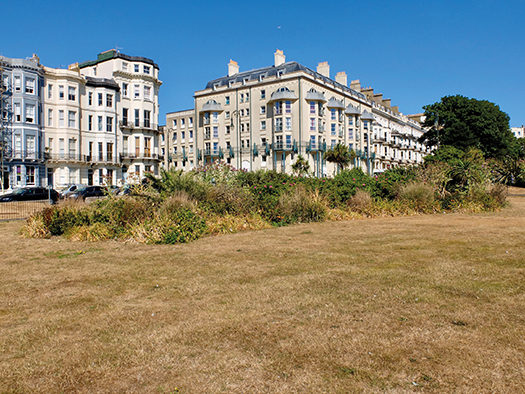
A total of just 1.6mm of rain – around one sixteenth of an inch – fell in Hastings over the whole of July, according to the meteorological office on St Leonards seafront. That compares to over 53mm in an average July and makes it the driest ever known in the town for that month, beating the previous July low of 5.1mm recorded in 1921.
Temperatures peaked at 34.7C on 19 July, but the drought has extended into August with temperatures forecast to top 30C again this weekend. And with the long-range forecast through the rest of this month and into September showing little indication of a return to normal rainfall patterns, the effects are likely to get more acute.
Hosepipe ban
From today (12 August) a hosepipe and sprinkler ban comes into force over Kent and Sussex, affecting at least a million people within South-East Water’s supply region. The company had previously issued pleas to its customers for people to only use water for “essential purposes”. Now they are banned from watering plants or lawns, washing cars or filling pools or ponds,
by any flow mechanisms that tap into mains water including hosepipes, sprinklers or pressure washers.
A company spokesperson said it would be “relying on people’s goodwill” to observe the ban, but also urged people to contact them if they see a neighbour flouting it. Rule-breakers can be fined up to £1,000.
CREDIT: Dave Young
It is not just the absence of rainfall that has compelled these measures. David Hinton, CEO of South-East Water, said that earth movement caused by the dry ground conditions has resulted in a 50% rise in the number of burst pipes.
On the farm
Out in the farmland of East Sussex, arable farmers have been harvesting early – combines have been in full swing since the middle of July, albeit operating in clouds of dust. With prices of corn crops rising sharply as a result of the Ukraine war, the dry conditions are not all bad news.
For sheep farmers it’s trickier. Their animals can make do with minimal grass growth for extended periods over the summer – indeed to some degree it’s regarded as healthier for them than the over-lush growth of a wet year; fodder intake can be supplemented by hay and barley.
But sheep need to drink, and on marshland, which is the predominant local habitat, dykes and ditches that are full in winter and provide enough drinking water over a normal summer have either been drying up altogether or turning into muddy swamps where lambs get stuck and have to be pulled out.
Will there be long term repercussions for agriculture? Farmers whose memories go back to the long, hot summer of 1976 don’t seem too gloomy. “Once it started raining again then, the grass grew back very quickly”, one recalled, “though we do need rain to arrive in time to sow fodder crops for the winter”.
Is climate change the cause? Maybe. But, whereas the 1976 drought broke over the August bank holiday with storm-bursts and flooding, the record conditions of July 1921 carried on with very low levels of rainfall for the rest of that year. English weather patterns have continued to surprise and confound meteorologists over the 100+ years since.
We hope you have enjoyed reading this article. The future of our volunteer led, non-profit publication would be far more secure with the aid of a small donation. You can also support local journalism by becoming a friend of HIP. It only takes a minute and we would be very grateful.

Leave a Reply