
Carr Taylor – Wine Pioneers Who Ran Out of Road
HUGH SULLIVAN
As previewed in HIP 281, Carr Taylor Wines Limited was put into insolvent liquidation last Monday (4 August).
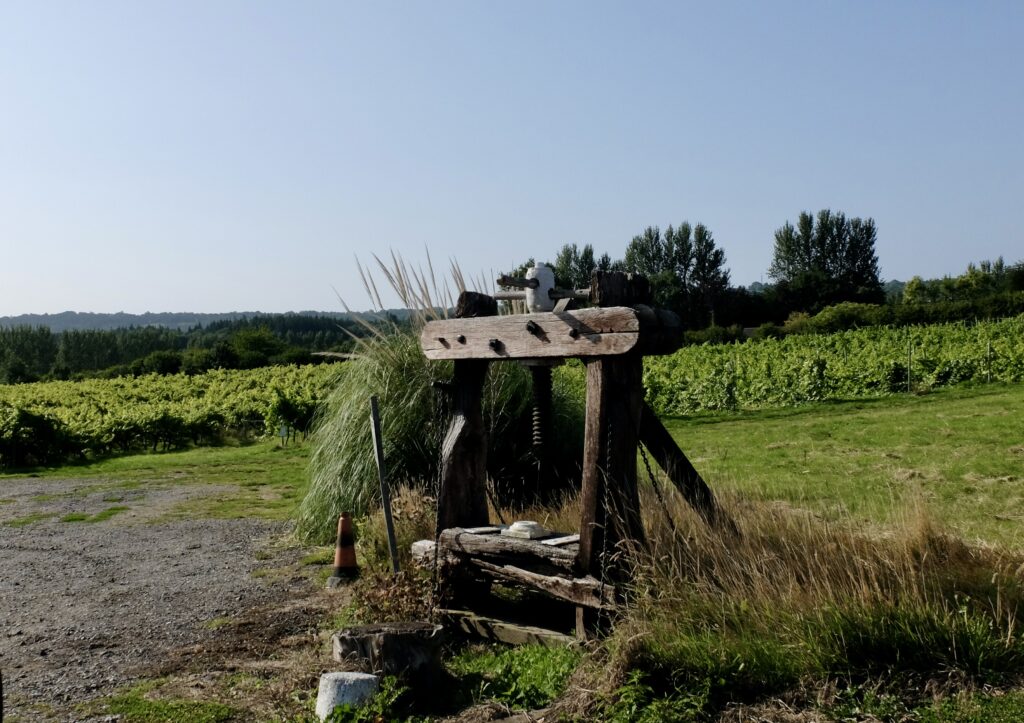
The company’s directors David and Linda Carr Taylor first laid out their vineyard between Westfield and Sedlescombe in 1971 and had overseen its growth into apparent prosperity over more than five decades. On the confirmation of the liquidation, they presented a report to creditors detailing a history of successful wine production but also of a rollercoaster of financial ups and downs.
The quality of their wine won them more than 200 national and international awards and medals; it was sold across many countries of the European Union as well as through UK outlets such as Marks & Spencer, Waitrose and Threshers. But in the last few years they had suffered disappointing harvests, the detrimental impact of Covid, “crippling” global price rises in production costs, in addition to the cost-of-living crisis in the UK.
They stated that the precipitate cause was inability to pay a tax liability incurred some years ago. The couple, both aged 80+, had aimed to pay this off by sale of the business, but no suitable buyers came forward – and there was no viable succession plan.
FINANCIAL CHALLENGES
It’s clear that the immediate financial conditions for English wine-producers are extremely challenging. The rise in minimum wage levels and national insurance contributions under the current Labour administration have both hit viticulture particularly hard because of the proportion of staff on low-end wages. The rise in borrowing costs is another factor.
The Ridgeview Winery Estate at Ditchling, which has been a major purchaser of grape harvests in Sussex was reported to have made a loss of £1.5m in the year ending December 2023.
An article in the Financial Times in December 2024 headed Have England’s winemakers lost their sparkle? reported that English wine-growers were struggling financially after a poor 2024 harvest. “Many of the country’s prominent vineyards are either lossmaking or shouldering heavy debts and are now in search of investors in order to stay afloat or of buyers willing to take on the capital expenditure required to scale up production”, the writer concluded. “Estate founders who were now established in the sector had reached a point in their lives where they either needed to commit to a new investment cycle, sell up or pass the business to a relative.”
LONGER TERM BUOYANCY
Despite these negatives, however, Charles Palmer, whose vineyards now encompass 40 acres at Winchelsea, remains buoyant about the longer-term prospects for wine-making in southern England. Climate change is bringing favourable growing conditions to this area, such as were previously enjoyed in Champagne or even northern Burgundy, he says; at the same time, French vineyards are now suffering increasingly from excessive summer heat.
Palmer expresses sorrow that Carr Taylor, once leading pioneers of English wine, seem to have fallen by the wayside. And, to the extent that tax liabilities were a major issue, he sympathises: “We have here some of the highest rates of wine tax in the world”. But although the local harvest last year was poor, 2023 was a record year which enabled English wine producers to build up huge stock levels. That had brought its own cost consequences, including higher storage charges as well as inflated production costs. On the other hand, Palmer reckons that the more English wine there is for sale, the higher marketing profile it will eventually attract, particularly if discounted pricing brings it into line with foreign competition.
Earlier this year, six local growers in East Sussex, including both Carr Taylor and Charles Palmer Vineyards, formed the Rother Wine Triangle, described on a dedicated website as “the first official trail for Sussex Winelands”. It encourages visitors to trek between wineries of the Sussex High Weald either on foot or on wheels, with most venues offering accommodation as well as cellar-door tastings, wine tours and other events.
Carr Taylor has necessarily been dropped from the trail. But there are reports of an excellent – and early – harvest at other local vineyards in prospect this autumn. To adapt Mark Twain, any reports of the death of English wine would be greatly exaggerated.
We hope you have enjoyed reading this article. The future of our volunteer led, non-profit publication would be far more secure with the aid of a small donation. You can also support local journalism by becoming a friend of HIP. It only takes a minute and we would be very grateful.

This news saddens me deeply. We first met David and Linda Carr-Taylor almost 30 years ago when we first started our own business. Their story of their first sparkling wine inspired me through my career to remember that when you are staring disaster in the face it pays to think laterally, and to creatively seek an alternative outcome. I feel truly sorry that these 2 pioneers of English wine production have been forced into liquidation. I can’t imagine what a painful time this must have been for them and I wish them well
A very sad story. Their sparkling white pinot is as good as anything, I have the money to buy. What a shame. Tax and the Covid lockdowns. The two daggers that killed this wonderful company.
Such a shame, I kept there ageing UP Willmes press going for many years, untill I retired.
The Carr-Taylor family were a lovely family,and great to work for.