
What’s Spoiling Our Seas?
ROBERT RALPH
Three speakers explain the challenges our coastline faces and explore some of the solutions. The Common Room (Opposite ESK) in Cambridge Road – TN34 1DJ. 15 April, 1600 to 1800.
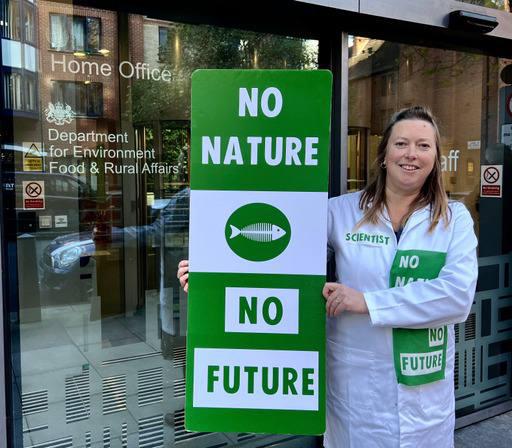
There’s a lot of talk in the Hastings and St. Leonards area about the state of the sea and the beaches. From surfers to sea swimmers to environmental campaigners right through to Joe public and their toddlers on the beach; concerns have been raised about sewage spills, filth and pollution on the beaches and in the sea. What are the real effects on bathers and wildlife?
An extensive year-long study done on behalf of Surfers Against Sewage documents the number of illnesses caused by sea swimming in areas that Southern Water has declared as safe. Southern Water ranks as one of the top perpetrators of pollution, as recently highlighted on BBC news. Thankfully, a high profile local campaign continues to highlight Southern Water’s continued release of sewage onto local beaches.
With hugely disruptive flooding in the town continuing to affect local businesses, Extinction Rebellion Hastings and St Leonards, Clean Water Action Group, and Strandliners invite you to take a deeper look at what’s really going on in our sea: three speakers will be responding to the question “What’s spoiling our seas?” at the Common Room, on 15 April.
The Science of Water Pollution
Hastings resident, former water pollution chemist, and now science lecturer, Jane Ripley, will address the impact that any changes in the local and global water cycle can have on health, livelihoods, homes and ecosystems.
I caught up with Jane last week. She has an intimate knowledge of the coastline and challenges faced in our stretch of Southern England, and talks clearly about the science relating to these challenges. We were lucky enough to find a bit of sunshine as we walked on the beach. Jane remembered growing up in Hastings with the sea nearby, and how her fascination for water and the way our lives depend upon it grew through her childhood. Jane reflected on how we take it so much for granted, using it to provide food, medicines and as an apparently bottomless pit for our waste.
Talking about her work around the UK as a water pollution scientist before returning to the town with her family, Jane was clear that there is much work to be done to improve water quality locally, and the impacts of climate change feed into these challenges.
Sometimes when talking to scientists it can be a struggle to follow the messages they’re giving, but I found Jane has a very welcome ability to break the science down so as to be understandable, and with her local knowledge and passion for the town mixed in, I’d certainly encourage anyone with an interest in these areas to attend the talk.
Community Clean Water Activism
The second speaker will be Becca from the Clean Water Action Group (CWAG). Becca explained the work CWAG have been doing, “Hastings & St Leonards Clean Water Action Group is a group of locals campaigning to end sewage pollution in our waters. We formed in July 2021 following the burst sewage pipe at Bulverhythe, which flooded beach huts and closed the beach for weeks.
A Whatsapp group was set up by a small number of concerned local beach users, which quickly swelled to hundreds of members who shared articles detailing Southern Water’s criminal negligence, fines and continued pollution of our waters. It became clear that this was a vast and ongoing problem, and we rallied around 200 demonstrators on the beach at St Leonards in August that year.
We followed up by holding a People’s Assembly for locals to gather and decide what to do about it. Since then we’ve held demos and fundraisers, set up a citizen sea water testing programme, letter campaigns to Southern Water, Hastings Borough Council, the Environment Agency, Ofwat, DEFRA, our MP, and personal pension funds. We’ve met with councils and Southern Water officials on several occasions and continue to lobby all involved parties to end sewage pollution.
Our current objectives include fighting for year-round bathing water quality testing, discharge testing, greater communication to public and prioritised investment in our area to prevent pollution events. We are an apolitical group who connect with other groups around the coast and are happy to promote and support any activities, events and campaigns which work towards a complete end to pollution of our waterways.”
The third speaker is Andy Dinsdale from Strandliners who focus on the plastic use/misuse lifecycle which uses water as a host. Their goal generally is zero waste communities, sustainability and local trading in our journey to reduce environmental plastic pollution. They aim to do this by engaging with communities and using citizen science to collect data to use as evidence.
To register your interest in the talk, go to the Extinction Rebellion Hastings and St. Leonards Facebook page – or just turn up on the day.
We hope you have enjoyed reading this article. The future of our volunteer led, non-profit publication would be far more secure with the aid of a small donation. You can also support local journalism by becoming a friend of HIP. It only takes a minute and we would be very grateful.

Leave a Reply