
I’ll Swim to France 2: A New Normal
HIP continues to follow SARAH MILNE as she prepares for her cross-Channel swim in 2027
There are decisions you make that change your life immediately. Others take a while to sink in. Deciding to swim the English Channel was an example of both. The contracts are signed, the boats booked and training has begun, so this is no longer a mad idea I can laugh about over coffee. It’s happening. The solo swim may be twenty months away, but every week counts if I’m to have a realistic chance of making it across.
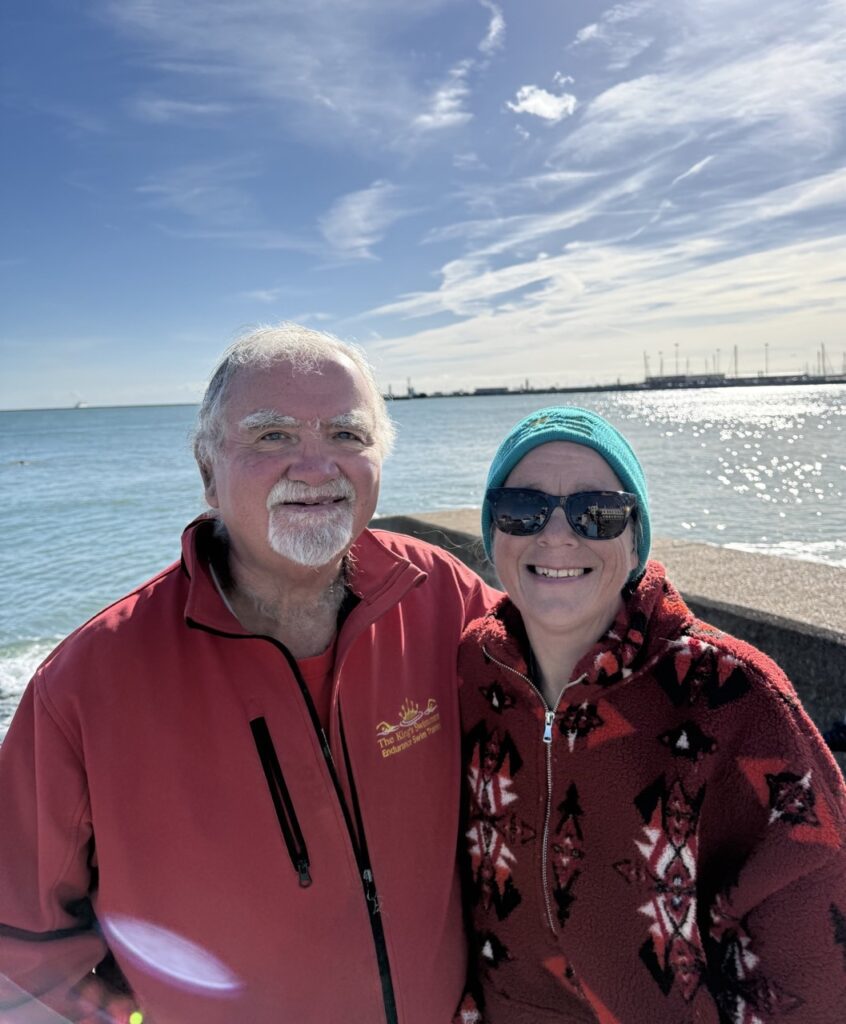
Training with Kevin Murphy
The Channel is a constant voice in the back of my mind. When is my next swim? What should I eat? How many kilometres have I done this week? And could I have done another 500 metres?
At first, those thoughts were overwhelming. I had to learn not to let swimming take over and distract me from other things like work, family and friends. I discovered early-morning, unfuelled swimming didn’t suit me, and sea swimming needs to fit around tides, weather and safety. Luckily, working mostly from home gives me flexibility, so I start work early, taking a longer lunch break and heading to the pool. I swim most days and rest when my body or life demands it.
I miss it when I can’t swim. The worries and stresses of everyday life fade away, and all I need to think about is the water, my breathing and how efficiently I can move through it. Out of the water, I visualise my stroke while walking the dogs – imagining the drills I need to work on and the rhythm of my breathing. I look at the sea differently, noticing how the water moves with each tide and how the waves respond to the wind. Even sitting on the beach has become a kind of training session.
My routine includes two coached sea sessions, two pool Masters sessions and four solo practices covering technique drills, speed threshold and endurance work. I’m making the most of training in the sea while the water is mild enough for long swims.
Wetsuits aren’t allowed in Channel swims, so I don’t wear one. I’m increasing my weekly distance towards 35km a week – roughly the equivalent of the Channel swim. I’ve just passed the milestone of a 5km sea swim – a half-marathon. I’m aiming for a 10km marathon swim in November.
Most days, the Channel sits quietly in the background. Sometimes the overwhelm returns – after a sluggish swim when stronger swimmers leave me behind, or when I remember that people have died attempting this crossing.
The only comparable mixture of nervous excitement and constant awareness was during pregnancy. Then, another life was growing inside me; this time, a new way of life is growing around a very big dream – and it needs nurturing too. Women are often good at caring for everyone else while letting their own needs slip down the list. Channel training does not allow that.
My body needs fuel to swim, protein to repair and enough energy to recover. Unlike marathon training, this is not about becoming leaner: I need to build muscle and gain a little more body fat for buoyancy and insulation. That means learning to eat more, not less. For someone who has spent much of her adult life avoiding calorie counting, it’s a surprisingly difficult adjustment. I need to think about getting enough food, without allowing nutrition to become another source of anxiety. It’s a big part of this journey, so I’ll be coming back to it.
For now, I’m settling into the strange new normal of a life based around training to swim the English Channel. A fuelling and recovery strategy is next on the list.
We hope you have enjoyed reading this article. The future of our volunteer led, non-profit publication would be far more secure with the aid of a small donation. You can also support local journalism by becoming a friend of HIP. It only takes a minute and we would be very grateful.

Leave a Reply